Let me start by saying something that might sound counterintuitive: the inorganic chemicals I supply every day aren’t just raw materials for factories or lab glassware—they’re part of the air we breathe, the water we drink, and even the minerals that make our bones strong. For the past twelve years, I’ve worked as an inorganic chemicals supplier, standing in the back of loading docks as pallet after pallet of sodium hydroxide or calcium chloride gets hauled away, and fielding late-night calls from customers panicking about a shipment delay. But over that time, I’ve also sat through more safety workshops than I can count, listened to researchers present data at industry conferences, and learned that the line between “essential” and “harmful” is thinner than most people realize. This blog isn’t a scare campaign, and it’s not a sales pitch—though I’ll circle back to how we approach responsibility as a supplier. It’s the honest, balanced take I wish I’d had when I first started out, when I thought all inorganic chemicals were either the stuff of lab experiments or something to fear. Inorganic Chemicals
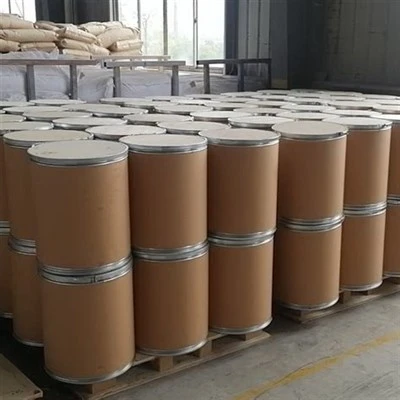
First, let’s ground this in what inorganic chemicals actually are, because a lot of confusion starts with the name. Organic chemistry is the study of carbon-based compounds—think sugar, DNA, or plastics. Inorganic chemicals, by contrast, are compounds that don’t have carbon-hydrogen bonds; they’re minerals, metals, salts, and gases like ammonia or chlorine. Some are essential for human life in tiny amounts: iron in our red blood cells carries oxygen, zinc supports our immune system, and calcium builds our teeth and bones. Others are what we might call “conditionally essential”—meaning they’re useful in industrial or agricultural settings, but can become dangerous if they end up where they don’t belong.
Let’s talk about the good first, because that’s the part that often gets overlooked. When I started in this business, I supplied a batch of zinc sulfate to a local fertilizer manufacturer, and later learned that zinc is a micronutrient for crops—without it, corn and wheat can’t grow properly, leading to lower harvests and higher food costs for communities. That same zinc is added to some multivitamins, too; a 2021 study from the World Health Organization (WHO) found that zinc deficiency affects over 17% of the global population, leading to stunted growth in children and weakened immune function. Iron is another example: iron salts are used to fortify flour, and the WHO estimates that iron supplementation reduces anemia rates by 50% in high-risk groups. Even something as simple as table salt—sodium chloride, an inorganic compound—was once a luxury, and today it’s essential for regulating fluid balance in our bodies.
But here’s the catch: these same chemicals can be harmful if exposure is too high, or if they enter the body through the wrong route. Let’s take lead, for example. Lead is an inorganic metal that’s been used in paint, pipes, and batteries for centuries. Low-level lead exposure in children can cause developmental delays, lower IQ, and behavioral problems—this is a well-documented finding from the Centers for Disease Control and Prevention (CDC), which has set strict limits on lead levels in drinking water and consumer products. But lead isn’t just a poison; it’s also used in car batteries, and when recycled properly, it’s a valuable, reusable resource. The problem isn’t lead itself—it’s how it’s produced, handled, and disposed of. That’s a point I’ve seen play out time and again in my work: the risk usually comes from unregulated exposure, not the chemical itself when it’s used as intended.
Another example is chlorine, a gas that’s been in the news for all the wrong reasons after being used as a chemical weapon in war. But chlorine is also what makes our drinking water safe. It’s added in tiny doses to kill bacteria like E. coli and cholera, and the CDC says this simple step has reduced waterborne disease deaths by 90% in the U.S. over the last century. When chlorine is handled in large volumes in industrial settings, though, it can be toxic—exposure can cause respiratory damage, eye burns, and even death. The difference? Protocols. As a supplier, we don’t just send out a drum of chlorine and move on. We provide Material Safety Data Sheets (MSDS) that outline exactly how to store it, transport it, and handle spills, and we train our customers on these steps for free. That’s part of the responsibility I take seriously in this role.
Heavy metals are the big buzzword when people talk about inorganic chemicals and health. Cadmium, mercury, arsenic—these are all metals that occur naturally in the Earth’s crust, but human activity has concentrated them in ways that affect public health. Arsenic, for instance, is present in groundwater in parts of Bangladesh, India, and the western United States. Long-term exposure to arsenic through drinking water causes skin lesions, cancer, and cardiovascular disease, according to a 2019 review in Environmental Health Perspectives. Mercury is another one: methylmercury, a form found in fish, can damage the nervous system, especially in developing fetuses. But again, this is about concentration and exposure. Mercury is used in things like fluorescent light bulbs and industrial processes, and when those products are disposed of improperly, mercury leaches into waterways. When we supply mercury-containing products, we require our customers to have a proper recycling program in place—this isn’t just good for the planet; it’s good for human health.
It’s also important to distinguish between acute and chronic exposure. Acute exposure is a single, high dose—like a worker spilling a strong acid on their skin, or someone drinking water with extremely high levels of a toxic metal. Chronic exposure is low levels over a long time, like living near a factory that releases small amounts of lead into the air, or eating produce grown in soil with excess cadmium. Chronic exposure is more insidious because the effects build up slowly, and it’s harder to trace them back to a specific source. For example, a 2022 study in The Lancet Planetary Health linked long-term exposure to low levels of aluminum (an inorganic metal used in packaging, cookware, and antacids) to an increased risk of Alzheimer’s disease, though that link is still debated by researchers. What’s clear is that chronic exposure to any inorganic chemical, even essential ones, can throw the body’s systems off balance—too much calcium, for example, can lead to kidney stones or interfere with how the body absorbs other minerals like iron and zinc.
Now, let’s talk about what’s being done to mitigate these risks, because it’s not all doom and gloom. Regulatory bodies around the world, like the U.S. Environmental Protection Agency (EPA) and the European Chemical Agency (ECHA), have set strict limits on inorganic chemical levels in air, water, and consumer products. They require manufacturers to test their products for toxicity before they hit the market, and they enforce penalties for companies that don’t follow safety rules. There’s also a growing focus on green chemistry, which aims to design inorganic chemicals that are less toxic, or that can be recycled more easily. For example, many battery manufacturers are moving away from lead-acid batteries to lithium-ion, which have lower toxicity and longer lifespans, though lithium is still an inorganic metal that needs to be handled carefully.
As an inorganic chemicals supplier, I see this shift every day. We used to supply a lot of products that were made in factories with little regard for waste, but now most of our customers are required to meet strict sustainability standards. We’ve invested in our own safety programs, too: all our drivers are trained to transport hazardous materials, our warehouses have spill containment systems, and we work with third-party auditors to make sure our facilities meet all safety and environmental regulations. I think a lot of people assume suppliers cut corners to save money, but that’s not the case in this industry—one mistake can ruin a reputation for good, and more importantly, it can harm people. Last year, we had a customer who was storing sodium cyanide incorrectly in an underground tank, and our safety team noticed a leak during a routine check. We alerted them immediately, helped them contain the spill, and worked with environmental officials to clean it up. No one was hurt, and that customer still works with us today because they knew we cared more about safety than making a quick sale.
I also want to address a common misconception: that natural inorganic chemicals are always safe, and synthetic ones are always dangerous. That’s just not true. Arsenic is natural, and it’s toxic. Sodium hydroxide (lye) is synthetic, and it’s used in small amounts to process food (like chocolate and canned olives) without any risk to human health. The difference is how they’re used, and how much of them we’re exposed to. Watermelons have natural levels of cyanide, but you’d have to eat hundreds of pounds at once to get sick. That’s the context that’s missing in a lot of headlines—they talk about “toxic chemicals” without explaining the dose, or the exposure route.
For people who work with inorganic chemicals, whether they’re in a factory, a lab, or a farm, personal protective equipment (PPE) is non-negotiable. Gloves, goggles, respirators—these aren’t just suggestions; they’re lifelines. A friend of mine works in a fertilizer plant that uses a lot of ammonia, and he told me how a few years ago, a valve broke and ammonia leaked into his area. He was wearing a respirator, and he got to safety in time—three workers who didn’t have proper equipment were taken to the hospital with respiratory burns. That story stuck with me because it’s a reminder that most risks from inorganic chemicals are preventable, as long as people take the right steps.
So, what does all this mean for the average person? You don’t have to stop drinking water or eating food that’s been processed with inorganic chemicals. What you can do is be informed: know what’s in your drinking water (most municipalities post annual water quality reports online), choose fish from sustainable sources to reduce mercury exposure, and support regulations that enforce safety standards for chemicals and the industries that use them. For companies that supply and use inorganic chemicals, the message is clear: safety and responsibility have to come first.
That brings me to why I’m writing this, and why I started with the story of my work as a supplier. I don’t just sell chemicals—I work with businesses that depend on these products to make life-saving drugs, grow food for millions, and build the infrastructure that powers our world. The goal isn’t to eliminate inorganic chemicals; it’s to use them wisely. When we handle them with care, respect their properties, and follow safety protocols, they benefit human health in countless ways. When we cut corners, ignore regulations, or rush production, we put people at risk.

If you’re a business owner, a lab manager, or someone who needs inorganic chemicals for your work, we take these responsibilities seriously at our company. We provide all the training, documentation, and support you need to handle our products safely and in compliance with all regulations. We also work with you to find sustainable alternatives when they’re available, without sacrificing quality or reliability. Whether you’re looking for a small batch of a specialty chemical for research or a large volume of industrial chemicals for manufacturing, we’re here to help. If you have questions about safety, handling, or our products, we encourage you to reach out and talk to our team directly—we’re always happy to walk you through the details.
Inorganic Chemicals References:
- World Health Organization. (2021). Global Prevalence of Zinc Deficiency: A Risk Factor for Disease. Geneva, Switzerland: WHO Press.
- Centers for Disease Control and Prevention. (2020). Lead Exposure and Human Health. Atlanta, GA: CDC National Center for Environmental Health.
- Environmental Health Perspectives. (2019). Arsenic in Drinking Water: A Review of Toxicity and Public Health Impacts. Volume 127, Issue 5, pp. 056001.
- The Lancet Planetary Health. (2022). Chronic Low-Level Aluminum Exposure and Neurodegenerative Disease Risk. Volume 6, Issue 3, pp. e198-e206.
- European Chemical Agency. (2021). Inorganic Chemicals: Safety Standards and Regulatory Guidelines. Helsinki, Finland: ECHA Publications.
Dayang Chem (Hangzhou) Co., Ltd.
As one of the most professional inorganic chemicals manufacturers and suppliers in China, we’re featured by quality products and good service. Please feel free to buy customized inorganic chemicals made in China here from our factory. For price consultation, contact us.
Address: 9/F, Unit 2, 259# Wensan Road, Xihu District, Hangzhou Zhejiang, China
E-mail: sales@dayangchemcn.com
WebSite: https://www.dayangchem-cn.com/
