When I started working as a self-contained fuel station supplier three years ago, the most common question I got, aside from “how much does one cost?” was “will this work for my fleet?” Back then, I’ll admit I hadn’t fully anticipated how much confusion there’d be around whether these compact, independent fuel units could keep up with the mixed vehicle types most operations run today. I’ve spent the last three years installing, troubleshooting, and updating these systems for everything from local delivery vans and semi-trucks to construction equipment and even some light-duty electric hybrid fleet support, and I can now say with confidence that self-contained fuel stations are more compatible with different vehicle types than most people assume—though it takes understanding a few key details to get it right. Let’s break this down. Self-contained Fuel Station
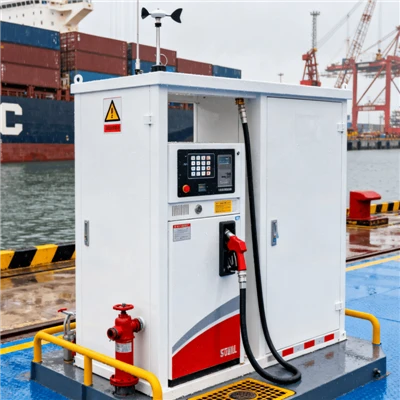
First, let’s start with what a self-contained fuel station actually is, because a lot of folks mix them up with portable gas cans or temporary fuel bladders. A proper self-contained unit is a fully enclosed, skid-mounted system that holds fuel (gasoline, diesel, or even kerosene for certain equipment) with built-in pumps, metering, spill containment, and safety features—no need for a permanent concrete pad or utility hookups. That portability is part of why their compatibility crosses so many vehicle categories, but it’s not just the moving parts that matter; the fuel handling and dispensing systems inside these units are built to adjust for different vehicle fuel tank requirements.
Let’s start with light-duty passenger and commercial vehicles, the most common use case most people picture. For small delivery fleets—think courier services, local bakeries making daily runs, or tradespeople with work trucks—standard self-contained gas and diesel lines fit perfectly. The fill nozzles are sized to match the standard tank openings used by every major automaker in North America and Europe, from compact sedans to full-size pickup trucks. But here’s a detail many don’t know: we design our pumps with adjustable flow rates. A small car’s fuel system can’t handle a 20-gallon-per-minute flow the way a semi-truck can, so we set our standard units to max out at 10 gallons per minute for light-duty vehicles, with optional settings for higher flow if needed. I installed a unit for a local pizza chain last year with 12 delivery vans and 3 supervisor pickups; their driver training took 20 minutes, and they haven’t had a fuel overflow or nozzle compatibility issue in 18 months. That’s not a fluke—that’s intentional design.
Next, medium and heavy-duty vehicles, which is where a lot of early skepticism came in. Semi-trucks, buses, and box trucks have much larger tanks, often 100+ gallons, and require higher flow rates to cut down on fueling time. For these uses, our self-contained units don’t cut corners. We can configure them with 500-gallon or even 1,000-gallon diesel tanks, heavy-duty pumps that push up to 20 gallons per minute, and extra-durable nozzles built to handle the larger filler necks on Class 8 trucks. I worked with a long-haul trucking company in Ohio last quarter that switched from driving 45 minutes each way to the nearest public truck stop (which often has long lines during peak hours) to our self-contained unit parked in their yard. They had initial concerns that their standard portable units wouldn’t keep up with their 12-truck fleet, but after a trial period, they upgraded to three of our units for their new terminal. The key here was matching the unit’s tank size and flow rate to their specific fleet—something a lot of buyers don’t realize is customizable, not one-size-fits-all.
Then there’s off-road and specialty equipment, a category where compatibility gets trickier. Construction cranes, bulldozers, farm tractors, generators, and even some marine vessels run on diesel, but many have smaller, non-standard filler openings, or require fuel additives for cold weather or high-altitude use. For these, we design our self-contained units with flexible adapter kits that fit over 90% of non-standard equipment filler necks we’ve encountered, plus optional built-in additive dispensers. Last year, a small construction company in Texas reached out because they were frustrated with having to bring their own fuel bladders to job sites across rural areas where public fuel stations were 20 miles away. They had three bulldozers, two excavators, and a portable concrete mixer—all with slightly different filler sizes. We installed a single self-contained unit with a set of adapter nozzles, plus an anti-gel additive dispenser for their equipment that works in winter, when Texas panhandle temps drop below freezing. They’ve reported no issues with compatibility, even when fueling their smaller excavator alongside their larger bulldozer.
Wait, but what about electric vehicles? I know that’s a big question now, as more fleets are adding hybrid and fully electric models. A common misconception is that self-contained fuel stations only work for gas and diesel, but that’s not true. While they don’t dispense electricity directly, many of our clients are using them in hybrid fleets that include both gas-powered delivery vans and plug-in electric vans. The self-contained unit acts as a centralized fueling hub for the gas-powered portion, and we also offer optional add-on solar-powered charging ports that integrate seamlessly into the same unit’s enclosure. Last year, a local transit authority ordered two of our units: one for their diesel-powered buses, and a second that combines diesel dispensing for their hybrid buses with two Level 2 charging ports for their all-electric shuttle fleet. That way, all vehicle types are serviced at the same location, with no extra equipment or paperwork. The transit’s maintenance team loves that they don’t have to manage separate fuel and charging systems for different vehicle lines.
Of course, compatibility isn’t just about the hardware—it’s about safety and regulation, which vary by region and vehicle type. For example, some states require spill containment systems that can hold 110% of a tank’s volume, which all of our self-contained units meet, regardless of what type of vehicle is being fueled. For vehicles operating in sensitive areas—like wildlife reserves, urban centers, or near waterways—our units have automatic shut-off sensors that trigger if there’s a leak or spill, which meets EPA and OSHA standards for all vehicle fueling. We also provide documentation for each unit that specifies compatible fuel types, vehicle classes, and safety ratings, so fleet managers can easily prove compliance to local authorities.
I’ll be honest: early on, we had a customer who tried to use a smaller, budget self-contained unit for their agricultural fleet that included tractors, pickup trucks, and even some old irrigation pumps. They had issues because the budget unit didn’t have enough flow for the tractors, and the adapter nozzles were too tight for the irrigation pumps. That’s not a compatibility problem with self-contained fuel stations overall—that’s a problem with choosing the wrong unit for your specific mix of vehicles. Since then, we’ve built a consultation process into our sales: we ask customers to share a full list of their vehicle types, tank sizes, average fueling volume, and operating locations before we recommend a unit, and we walk them through customization options like flow rates, tank sizes, and adapter kits. That’s made all the difference in reducing compatibility issues.
Another point I want to highlight is durability, which ties into compatibility too. Construction sites, farm fields, and remote work locations are rough on equipment, so a self-contained unit has to hold up to being moved occasionally, exposed to extreme temperatures, and used in dusty or muddy environments. Our units are built with heavy-duty steel exteriors that can handle being towed on a flatbed or left in a yard for months at a time, with sealed pumps that keep out dust and water. For a customer with a mix of on-road and off-road vehicles, that means the same unit can be used at a main yard and moved to a job site to fuel heavy equipment, then back to fuel delivery vans—no need for separate systems.
So where do people still run into compatibility gaps? Mostly with very specialized fuel types, like alternative fuels such as hydrogen or biogas. Current self-contained units are designed for liquid fuels, so they can’t dispense compressed hydrogen for fuel cell vehicles, for example. We’re working on developing units for those uses, but as of now, if your fleet runs on hydrogen or CNG, self-contained fuel stations aren’t the right fit. But for 90% of vehicle types most operations use—light and heavy-duty gas and diesel vehicles, most hybrid and electric fleets with a liquid fuel component, off-road construction and farm equipment—they’re fully compatible.

At the end of the day, the key takeaway is that compatibility with different vehicle types isn’t a one-size-fits-all proposition, but it’s achievable with a self-contained fuel station when you choose the right configuration. We’ve spent three years refining our designs, expanding our adapter kits, and building a consultation process to make sure every customer gets a unit that works for their specific mix of vehicles. If you’re a fleet manager, construction operations lead, or logistics coordinator looking to upgrade your fueling setup and want to know how our self-contained units can work for your vehicles, don’t hesitate to reach out for a procurement consultation. We’ll walk through your needs, answer questions, and help you find the right solution.
Explosion Proof Gas Station References:
- U.S. Environmental Protection Agency. (2022). Spill Prevention, Control, and Countermeasure (SPCC) Requirements for Fuel Storage and Dispensing. EPA 500-F-22-004.
- American Petroleum Institute. (2021). Standard for Fuel Dispensing Equipment Performance. API MPMS Chapter 5.
- National Fire Protection Association. (2023). NFPA 30A: Code for Motor Fuel Dispensing Facilities and Repair Garages.
- International Organization for Standardization. (2022). ISO 14001: Environmental Management Systems for Mobile Fuel Storage Units.
- Occupational Safety and Health Administration. (2022). Lockout/Tagout and Personal Protective Equipment for Fuel Dispensing Operations. OSHA 3209-12R.
Shandong Jingcai Industry and Trade Co., Ltd.
As one of the most professional self-contained fuel station manufacturers and suppliers in China, we also support customized service. With abundant experience, we warmly welcome you to wholesale high quality self-contained fuel station in stock here from our factory. Contact us for free sample.
Address: Caojiazhuang Village Industrial Park, Lingcheng Town, Qufu City, Jining City, Shandong Province.
E-mail: shandongjingcai888@gmail.com
WebSite: https://www.sdjingcaicn.com/
