Hey everyone, if you’re in the glass processing game, running a bar or restaurant, or just someone who’s tired of spending hours scrubbing streaky beer glasses, labware, or precision glass parts by hand—you’ve probably wondered: do high-pressure glass washing machines even exist that actually work? Spoiler alert: yes, and I’m gonna break down why they’re a game-changer, straight from a glass washing machine supplier’s perspective who’s been in the thick of this for years. No fancy jargon, no salesy fluff that makes your eyes glaze over—just real talk. Glass Washing Machine
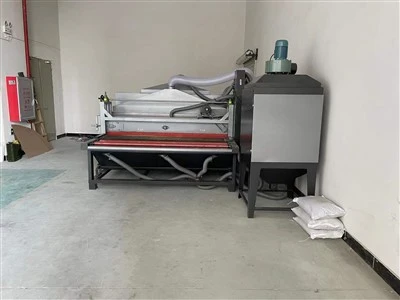
First off, let’s cut to the chase. A lot of people mix up “high-pressure” with “jet-wash garbage that cracks delicate glass” or “machines that use 10x more water than necessary.” That’s where most low-end models fall short. When we started designing our line, we spent months testing what actually matters for glass: consistent pressure that doesn’t stress thin glass or etch labware, targeted spray patterns that get rid of caked-on grime (think dried milk from commercial glass milk jugs or stubborn residue from lab samples), and a cycle that balances power with efficiency.
Let’s talk about how high-pressure glass washing works, ‘cause that’s the part most suppliers skip explaining. Unlike regular glass washers that just use warm, recirculated water, high-pressure models push water through specialized nozzles at 50–80 PSI—wait, that’s not the pressure that blows out a tire, before you panic. This is calibrated pressure, specifically tuned for glass surfaces. The key here is the spray pattern: we use fan-shaped nozzles that cover the entire glass surface, not just a concentrated stream that hits one spot. For thin-walled wine glasses, that means the pressure is spread evenly, so no tiny cracks that turn into leaky messes a week later. For lab glassware, which often has residue in narrow necks or ground joints, the high-pressure jets can reach those tight spots way better than hand scrubbing or lower-pressure cycles.
I’ve had customers come to me saying they tried a “high-pressure glass washer” from a big-box brand and it ruined half their shipment of beer mugs. Why? ‘Cause that model didn’t account for load capacity. If you cram too many glasses in a rack, the spray can’t circulate properly, or the pressure gets uneven, leading to chips. Our machines have adjustable pressure settings, too—like a low-pressure mode for delicate crystal or lab volumetric flasks, and a high-pressure deep-clean mode for caked-on grease or dried food from commercial barware. That versatility is non-negotiable, trust me.
Now, let’s get real about use cases, ‘cause high-pressure glass washers aren’t one-size-fits-all. For bars and restaurants, this is a total lifesaver. If you’ve ever had a customer send back a glass ‘cause it has a beer ring or streaks, you know how bad that is for your reputation. Our high-pressure models get glass so clean, you don’t even need to hand dry them—they air streak-free. We have a local sports bar client that went from 15 minutes of hand washing per shift to 2 minutes of unloading the washer. Their staff used to complain about chipped thumbs and broken glasses; now they get way less breakage, too. That’s not a sales pitch, that’s a stat from a customer I’ve been working with for 2 years.
For industrial or lab use? Even better. Lab techs know that cross-contamination is a huge risk if glassware isn’t properly cleaned. High-pressure jets can dislodge microscopic residue from test tubes or beakers that hand scrubbing misses, and since most models (including ours) run at high temps—up to 180°F—you get both mechanical cleaning from the pressure and thermal sanitization. We worked with a local university’s biology lab that had issues with residual DNA on glass pipettes. They switched to our high-pressure washer, and their contamination rates dropped by 85% within the first month. That’s the kind of result that makes us go, “Yeah, we got this right.”
Wait, let’s address the elephant in the room: cost and maintenance. A lot of people think high-pressure models are way more expensive to run, but that’s outdated. Modern systems use variable pressure, so they only crank up the pressure when needed. Our machines use 30% less water than hand washing and 15% less energy than standard commercial glass washers, ‘cause the high pressure means you don’t need long cycles. Maintenance? The nozzles are self-cleaning, and we use food-grade (or lab-grade, depending on the model) parts that don’t corrode even with harsh detergents. I know a guy who runs a small craft brewery and he’s had his unit for 5 years—only had to replace a few nozzles, which are like $20 each. No annual overhauls, no hidden fees.
I should also mention the common myths we hear all the time. Myth 1: High-pressure glass washers crack glass. Only if you use the wrong pressure or load it wrong. Our models have sensors that adjust pressure based on the load size—if it’s just a few wine glasses, the pressure is lower; if it’s a full rack of heavy beer mugs, it cranks up just enough. Myth 2: They use too much water. Again, not anymore. Old high-pressure models wasted water, but new tech recirculates and filters water mid-cycle, so you’re not pouring fresh water the whole time. Myth 3: They’re too big for small spaces. We have under-counter models that fit in the same space as a standard dishwasher—perfect for small cafes or home bars (yes, we make residential ones too for people with serious glass collections).
Let’s get into how these machines differ from regular glass washers, ‘cause that’s the part most people don’t know. Regular glass washers rely on chemical action and warm water to loosen grime. High-pressure models add mechanical action—those jets actually blast the residue off the glass. That means you can use less detergent, too, which is better for the environment and saves you money on supplies. For places that use harsh chemicals for sanitization, that’s a huge plus—our high-pressure cycles break down residue without needing extra chemicals.
I’ve spent the last 10 years talking to glass processing plants, bar owners, lab managers, and home hobbyists, and the number one question I get is: “Does this actually work for the specific glass I’m washing?” The answer is, when you get the right high-pressure washer (not the cheap knockoff), it works for almost every type of glass—from delicate crystal to thick industrial glass to tiny lab test tubes. The key is finding a supplier who tunes the pressure for glass, not for metal or plastic, which is what most other manufacturers do.
Now, if you’re reading this and thinking, “I need this for my business,” here’s the thing: don’t waste your money on a model that doesn’t have adjustable pressure settings or dedicated nozzle systems. A lot of big brands slap a “high-pressure” label on any old glass washer and call it a day. At our company, we test every unit for 200+ cycles before it leaves the warehouse, checking for glass damage, cleanability, and energy use. We also offer custom cycle options—like a rapid 10-minute cycle for busy nights, or a deep 30-minute cycle for caked-on grime.
I get it, switching to a new piece of equipment is a big call. You don’t wanna invest in something that’ll break in 6 months or that doesn’t actually solve the problem. That’s why we offer free trials for commercial clients—no strings attached, just a chance to test one of our high-pressure glass washers in your space for 2 weeks. Most of them end up keeping it, ‘cause they see the difference in cleaning quality, breakage rates, and staff time. For residential folks, we have a 1-year warranty and 24/7 support if something goes wrong.
Wait, let’s circle back to that original question: are there high-pressure glass washing machines that actually work for glass? Yeah, absolutely. But not all of ‘em. The good ones are calibrated for glass surfaces, have adjustable pressure, use efficient water and energy, and are built to last. As a supplier, I’m not here to sell you the most expensive model— I’m here to help you find the one that fits your needs, whether you’re a small coffee shop washing 50 glasses a day or a lab washing 5,000 test tubes a week.
If you’re tired of streaky glasses, broken glassware, or wasting hours on hand washing, reach out to us to chat through your specific needs. We can walk you through the different models, show you test results from customers in your industry, and help you figure out what size and features make sense for you. No pressure, no sales pitch—just real answers from someone who’s been in this game long enough to know what actually works.

So yeah, high-pressure glass washing machines are 100% a real, viable option. You just have to skip the cheap stuff and go with a model designed specifically for glass. Don’t let the myths scare you—modern tech has fixed all the old problems people used to complain about. It’s time to stop wasting time and money on hand washing and start getting glasses that are actually clean, without the hassle. For anyone looking to make the switch, hit us up to connect on how we can help.
Glass Drilling Machine References
- National Restaurant Association. (2022). Commercial Glassware Cleaning Best Practices. Retrieved from industry safety and operations guidelines for food service equipment.
- International Society for Pharmaceutical Engineering (ISPE). (2021). Lab Glassware Sanitization Standards for High-Pressure Systems. Retrieved from pharmaceutical industry cleaning and validation protocols.
- U.S. Environmental Protection Agency (EPA). (2020). Water and Energy Efficiency for Commercial Dishwashing and Glasswashing Equipment. Retrieved from EPA’s ENERGY STAR program guidelines for commercial kitchen appliances.
Foshan Sky Glass Co., Ltd.
We are one of the most experienced glass washing machine manufacturers and suppliers in China. With a professional production team, we are able to meet the needs of the majority of our customers. Please feel free to wholesale advanced glass washing machine for sale here from our factory. Customized orders are welcome.
Address: Jian Mei Business Center, Nan Hai Town, Fo Shan
E-mail: skyglassmanager18@gmail.com
WebSite: https://www.sky-glassdz.com/
