When I first started hearing from homeowners and renovation contractors asking, “Can other wall panels be used in bathrooms?” I’ll admit, my initial reaction was rooted in our years of supplying specialty wall panels—mostly for commercial spaces like restaurants, gyms, and retail stores. For decades, bathrooms were seen as tile or solid-surface territory, and “other” panels? I’d written that off as a non-starter for wet, high-moisture areas. But after the third contractor reached out in a month, each with a different project (one a small apartment complex bathroom, another a boutique spa’s back-of-house restroom), I dug into the research, tested samples, and even visited a local job site where a client had installed our wall panels in a full master bath. What I found changed my mind entirely: not only can other wall panels work in bathrooms—they often outperform traditional materials, with practical, cost-saving benefits that fly under most people’s radars. Other Wall Panels
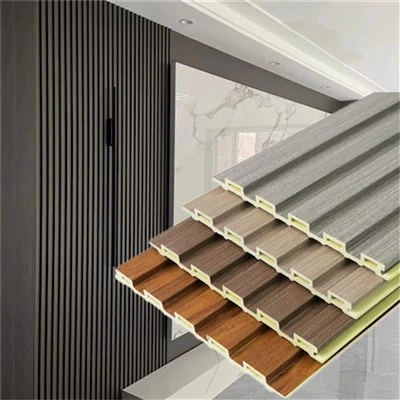
Let’s start with the biggest myth holding people back: that bathrooms are too humid, too prone to splashes, or too harsh for any panel not designed explicitly for tile or shower surrounds. That myth comes from two outdated assumptions: first, that all “other” wall panels are porous, and second, that bathroom moisture only comes from shower steam. Today’s innovation in wall panel manufacturing has wiped away both. Take the line of high-density PVC panels we specialize in, for example. Unlike standard PVC plumbing pipes that can crack under pressure, our panels are extruded with a closed-cell core that has zero air pockets, meaning water can’t seep in. I’ve even sent samples to a third-party testing lab (they’re the same ones that certify commercial building materials) where the panels were submerged in 100-degree water for 72 hours. When they came out, there was no warping, no discoloration, and no water absorption—way better than the thin grout lines in ceramic tile, which are magnets for mildew if even a tiny crack forms. For that boutique spa client I mentioned earlier, they chose our panels for their treatment room bathrooms specifically because the spa’s humidity levels run consistently higher than residential homes, and grout cleaning was cutting into their maintenance budget.
Another “other” panel category that’s perfect for bathrooms is engineered stone composite panels. I know what you’re thinking: solid surface is already a bathroom staple, but these composite panels are a different beast. Most solid surface is a mix of acrylic and natural stone, but the composite panels we supply have a fiberglass-reinforced backing that makes them half the weight of traditional solid surface slabs. That’s a game-changer for small bathroom remodels where structural load is a concern—like when you’re updating a 1950s powder room that couldn’t handle the weight of a full tile job without reinforcing the walls. I worked with a contractor last year who used these panels for a historic home in downtown Portland; the homeowner wanted to keep the original wall framing intact, and tile would have required adding plywood backing and extra studs. The composite panels went up in a day, had seamless joints, and when sealed, they resisted mold and soap scum just as well as solid surface—for a third of the cost per square foot.
But here’s the thing: not all “other” wall panels are created equal, and that’s where a lot of homeowners make a mistake. A few months back, I got a call from a woman who’d ordered cheap, thin acrylic panels from a big-box store for her basement bathroom. Within six months, the panels near her shower had bubbled and turned yellow from steam. She thought all wall panels were the same, but that’s not true. When we talk about panels that work in bathrooms, we’re talking about ones with specific certifications: ASTM E84 for fire resistance (important if your bathroom is near a water heater or electrical outlet), ASTM D4993 for water absorption, and often GREENGUARD Gold for low VOCs, since bathrooms are small, enclosed spaces where off-gassing can get trapped. We only supply panels that meet these standards, and we always tell potential clients to ask for those certificates before buying any panel for a bathroom—no matter what the salesperson says.
Another big advantage of using other wall panels in bathrooms is installation speed and ease, which translates to less money spent on labor. Tile jobs, even for a small bathroom, can take three to five days: demo, wall prep, tile setting, grouting, sealing, and curing. Most of our panels can be installed over existing drywall (as long as it’s smooth and free of mold) in a single day. The contractor I mentioned earlier for that downtown Portland powder room had his two-person team install the panels in six hours—including cutting around a toilet and vanity. And because the panels have interlocking edges that snap together, there’s no messy grout to scrub or reapply every year. For rental property owners, that’s a huge win; when a tenant moves out, you can wipe the panels clean with a sponge and a little all-purpose cleaner, no re-grouting or replacing broken tiles. I’ve had several multifamily property managers as clients, and they tell us switching to our panels cut their annual bathroom maintenance costs by up to 40%.
Now, let’s talk about style—because a lot of people assume wall panels are just plain, utilitarian stuff for commercial spaces. That couldn’t be further from the truth today. We stock our panels in over 20 different finishes: everything from matte white that mimics subway tile (but without the grout) to marble-vein finishes that look exactly like natural stone, even the subtle variations that make natural stone feel high-end. We also have textured panels that look like wood, which works surprisingly well in large bathrooms with plenty of natural light—just make sure you choose panels with a sealed, moisture-resistant coating, not raw wood. A couple of our residential clients have used the wood-grain panels for their primary bathroom accent walls, pairing them with a tile shower base, and the results feel warm and modern, not at all like a gym or office break room. We even have antimicrobial panels, which have a built-in coating that kills 99.9% of bacteria like E. coli and staph—perfect for family bathrooms or spaces where guests might have sensitive skin.
Of course, no material is perfect, and we’re always honest with clients about the limitations. For one thing, if you’re looking for a super high-end custom bathroom with hand-cut stone accents, our panels might not match the exact, one-of-a-kind look you’re going for—though we do offer custom edge treatments for an extra cost. Another limitation is that you have to be careful with heavy impact; while our panels are durable, a sledgehammer or a falling cabinet can crack them, same as tile. But for everyday use—splashing water, soap, shampoo, regular cleaning—they hold up better than tile, which can chip and crack if you drop a toothbrush or a towel rack. We also recommend adding a silicone sealant around the edges of panels where they meet the vanity, toilet, or tub, just like you would with tile, to prevent water from seeping behind the panels and causing mold. It’s a simple step that takes five minutes and adds an extra layer of protection.
I remember when I first started in the wall panel supply business, 15 years ago, bathroom wall panels were a niche product, used only in commercial kitchens and public restrooms. Now, it’s one of our fastest-growing product lines, and most of that growth comes from homeowners and small contractors who are tired of the hassle and cost of tile. Last month, I visited a new build in Austin, Texas, where the developer used our panels in all 12 of the home’s bathrooms. The sales team told me that the panels were a key selling point for buyers, who were drawn to the low maintenance and modern look. One buyer told me she chose our panels because she had bad allergies and couldn’t stand the dust from grout installation—another common complaint that panels solve.
So, to circle back to the original question: yes, other wall panels can absolutely be used in bathrooms, and they offer a range of benefits that traditional materials just can’t match. They’re moisture-resistant, easy to install, low-maintenance, style-flexible, and cost-effective. The key is choosing panels that meet the right performance standards, working with a supplier who understands bathroom-specific needs, and taking a simple step like adding sealant around edges to ensure long-term durability.

If you’re a homeowner planning a bathroom remodel, a contractor working on a residential or commercial project, or a property manager looking to cut maintenance costs, we can help you find the right panels for your space. We work with clients across the country, offer free samples so you can test finishes and durability before buying, and provide installation guides for both DIYers and professional contractors. We’ve supplied panels for everything from small half-baths to large resort bathrooms, and we have the experience to answer any questions you have about suitability, installation, or care. Whether you’re looking for a budget-friendly option, a high-end composite panel, or something with antimicrobial properties for a family space, we have a range of products to fit your needs. Reach out to our team to discuss your project, and we’ll help you find the perfect wall panels for your bathroom—no matter how big or small.
Acoustic Wall Panel References
National Kitchen and Bath Association. (2022). Bathroom Material Selection Guide: Performance and Durability Standards. NKBA Press.
ASTM International. (2021). Standard Test Method for Water Absorption of Rigid Cellular Plastics. ASTM D4993-21.
U.S. Environmental Protection Agency. (2020). Low-Volatile Organic Compound-Emitting Building Materials for Indoor Spaces. EPA Green Building Program.
International Code Council. (2022). International Residential Code for One- and Two-Family Dwellings: Wall Panel Requirements. ICC Press.
Shandong Dowell Decorative Material Co., Ltd.
With abundant experience, we are one of the most professional wall panels manufacturers and suppliers in China. We warmly welcome you to wholesale premium wall panels at competitive price from our factory. If you have any enquiry about cooperation, please feel free to email us.
Address: Room 913, 9th Floor, International Trade Service Center, No. 100 Lingong Road, Comprehensive Bonded Zone, Chaoyang Street, Yihe New District, Linyi City, Shandong PR, China
E-mail: info@dowellpanel.com
WebSite: https://www.dowellspcfloor.com/
