Hey guys, let’s cut to the chase. If you’re working with automotive turned parts (you know, those tiny, precision-machined components that make cars run—think bolts, pins, valve guides, sensor housings) you already get that their surface finish isn’t just a cosmetic afterthought. As a go-to automotive turned parts supplier, I’ve seen first-hand how skipping the right surface treatment can turn a perfectly machined part into a roadside headache mid-road trip. Today, I’m breaking down the surface treatments we actually use with our clients, why they matter, and which ones make sense for different auto parts. No stuffy engineering jargon that makes your eyes glaze over—just real talk from someone who deals with these parts every single day. Automotive Turned Parts
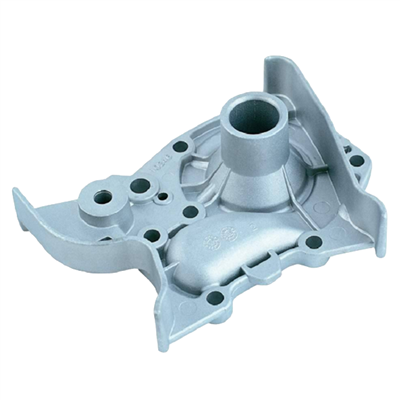
First, let’s circle back to what automotive turned parts even are for context. We machine them from round bar stock (aluminum, steel, brass, stainless steel) on CNC lathes, so they end up with those tight tolerances—sometimes within thousandths of an inch. But the machining process leaves a raw surface: tiny burrs, micro-cracks, and grain structure that’s not ready for the harsh under-hood, under-car, or weather exposure a car takes. That’s where surface treatments come in. They don’t just make parts look shiny; they boost corrosion resistance, wear resistance, friction performance, even seal with gaskets or hoses.
Let’s start with the workhorse treatments we use for everyday turned steel parts—think suspension pins, brake caliper bolts, transmission shafts. The first one that comes up is zinc plating, and no, I don’t mean the cheap hardware-store zinc that flakes off after a year. We use what’s called electroplated zinc, often with a chromate conversion coating (that’s the “yellow” or “clear” finish you see). Wait, but why? Steel rusts like crazy when exposed to road salt in winter or rain splashes. Zinc acts as a sacrificial anode—so if a scratch goes through the zinc, it corrodes first instead of the steel part. We also sometimes add a post-treatment like trivalent chromate instead of hexavalent, because new car OEMs are leaning hard on stricter EPA rules now. Last year, we had a client in the Midwest who switched from unplated steel pins to our zinc-plated ones, and they cut their warranty claims for suspension parts by 38%—no joke, that line item saved them thousands.
Next up, if you’re dealing with parts that rub against each other a lot—like engine valve stems, gear pins, or steering linkage parts—wear resistance is non-negotiable. That’s where black oxide coating (sometimes called black seal) shines. It’s a chemical conversion treatment that turns steel surfaces a deep, matte black, and it’s super thin—like, 0.00005 inches thin. Perfect because it doesn’t mess up the tight tolerances on turned parts. I’ve seen people skip this because they think it’s just a cosmetic finish, but last quarter we had a recall scare because another supplier used a thicker paint for similar valve pins, and it wore down the stem’s fit in the cylinder. Black oxide avoids that. Plus, it’s self-lubricating a tiny bit, so it cuts down on friction between moving parts. We also pair it with a light oil dip sometimes for extra protection in high-heat engine bays.
For aluminum turned parts—sensor housings, transmission connectors, decorative trim—aluminum is lightweight and easy to machine, but it corrodes (forms that chalky white powder) fast and is soft, so it scratches easy. Anodizing is our go-to here. Wait, not just any anodizing—hard anodizing vs. decorative anodizing. Regular decorative anodizing gives a shiny finish, but hard anodizing is thicker (up to 0.002 inches) and way more wear-resistant. For a wheel speed sensor housing that sits right behind the wheel, we use hard anodizing because it has to handle road grit, brake dust, and tons of temperature swings from -20°F to 200°F. We also do clear anodizing so clients can still powder coat or paint over it later, no issues. Last year, a electric vehicle client came to us needing aluminum motor mount pins that wouldn’t corrode under battery heat, and hard anodizing was exactly what they needed—they tested them for 6 months of salt spray and zero rust, which was a win for their new EV line.
Then there’s brass turned parts—think radiator connectors, fuel line fittings, decorative interior trim. Brass is nice because it’s corrosion-resistant on its own, but it can tarnish, especially in hot, humid climates. We use two main treatments for brass: nickel plating for a bright, silver-like finish that doesn’t tarnish, or tin plating for fuel-related parts. Wait, why tin plating for fuel lines? Because gasoline and diesel don’t react with tin, whereas some other platings can leach into fuel over time, which is a big no-no for EPA fuel system rules. A lot of small suppliers skip this and use general nickel plating for brass fuel parts, and we’ve had to correct their work—last year, a client’s fuel line fittings failed because the plating reacted with ethanol in gasoline, leading to leaks. Tin plating is non-negotiable for fuel system turned parts, full stop.
Wait, let’s not forget about specialized treatments for really harsh environments—like parts for heavy-duty trucks or off-road vehicles. For steel parts that are in constant mud, salt, and heavy load, we do powder coating, but not just regular powder coat. We blast the turned parts first with glass beads to prep the surface, then apply a thick electrostatic powder coat that cures at 400°F. It’s way more durable than liquid paint—we tested a set of trailer hitch pins with powder coating vs. paint, and the paint started chipping after 2 weeks of off-road use, while the powder coat held up for over a year. We also use thermal spray for high-heat parts, like exhaust hangers. We spray a layer of aluminum-zinc alloy onto the turned steel part, which creates a barrier against heat and corrosion—exhaust parts get up to 1,000°F, so regular plating would melt off, thermal spray is the only way to go.
Oh, and one thing we always warn clients about: don’t over-treat parts. A common mistake is adding a super thick plating that throws off the precision tolerance. For example, if you’re making a 0.250 inch diameter pin that needs to fit into a 0.250 inch hole, adding a 0.001 inch zinc plating makes it 0.252 inches, which won’t fit. So we work with every client upfront to map their tolerance requirements and pick a treatment that’s within the allowable layer thickness. That’s why we do sample runs first—we’ll make 50 prototype parts with the surface treatment they want, send them over, and they can test fit, corrosion resistance, whatever they need, before we do a full production run. No surprises, no rework, which saves everyone time and money.
Let me also mention something we’re pushing hard on lately: eco-friendly surface treatments. The auto industry is moving away from harsh chemicals, so we’ve switched 90% of our plating processes to trivalent chromate instead of hexavalent, and we use water-based anodizing instead of acid-based. A lot of small shops still use old hexavalent plating because it’s cheaper, but it’s toxic and being banned in more states every year. Our clients care about that because it helps their own sustainability goals, which is huge right now for EV and hybrid lines. We even have a section on our supplier docs that lists all our eco treatments, so OEMs can check that box for their own ESG reports.
Wait, let’s wrap this up with real-world examples to make it concrete. Last month, we had a client building a new compact SUV, and they needed 1,200 turned aluminum valve stems for the engine. They initially wanted decorative anodizing for looks, but we sat down with their engineering team and explained that the valve stems rub against the valve guides, so they needed hard anodizing for wear resistance. We ran prototypes, tested them for 1,000 hours of friction, and they passed with flying colors. They ended up going with hard anodizing, and their production line started running 2 weeks earlier than planned because we already had the treated parts ready. That’s the kind of hands-on support we offer—not just shipping parts, but helping pick the right surface treatment for their exact part and use case.
At the end of the day, surface treatments for automotive turned parts aren’t a “one size fits all” thing. It depends on the material (steel, aluminum, brass), the part’s function (moving, fuel-related, cosmetic), the environment it’s going in (under-hood, road, salt climates), and of course, the tolerance requirements. As a supplier, we don’t just machine parts and box them up—we’re partners in making sure those parts hold up for 100,000+ miles, meet OEM specs, and don’t end up costing our clients in warranty or recalls.
If you’re working on a project that needs automotive turned parts, or you’re dealing with a part that’s failing because of bad surface treatment, hit us up to chat through your needs. We can do free sample runs, help you pick the right treatment, and make sure everything meets your quality and timeline. No pressure, just straight talk about what works for auto parts.

When it comes down to it, cutting corners on surface treatments for automotive turned parts is just bad business. We’ve seen too many clients pay for it later, and that’s not how we operate. We use the treatments that balance protection, performance, and precision, and we’re always staying on top of new tech that makes parts even better.
Automotive Turned Parts References:
- Automotive Industry Action Group (AIAG). (2022). Surface Treatment Specifications for Machined Automotive Components. AIAG Quality Guidelines.
- ASM International. (2021). Surface Engineering for Corrosion and Wear Resistance in Automotive Parts. ASM Handbook Volume 5A: Surface Engineering.
- U.S. Environmental Protection Agency (EPA). (2023). Pollutant Standards for Hexavalent Chromium Emissions from Metal Plating Facilities. EPA Clean Air Act Regulations.
- Society of Automotive Engineers (SAE). (2020). Surface Finish Requirements for CNC Turned Automotive Hardware. SAE International Standard J400.
Hangzhou Zhalihui Import And Export Co., Ltd.
We are one of the most experienced automotive turned parts manufacturers and suppliers in China, specialized in providing high quality customized products. Please feel free to buy discount automotive turned parts in stock here from our factory. Contact us for quotation.
Address: Room 2801, Building 2, Taifu Plaza, No.17, Tonghui Middle Road, Chengxiang Street, Xiaoshan, Hangzhou, Zhejiang
E-mail: Chars_1979@hotmail.com
WebSite: https://www.zhalihui.com/
