If you’re running a hot rolling operation, you know your equipment isn’t just metal and motors—it’s your bread and butter. I’ve been selling hot rolling gear for over a decade, and I’ve seen way too many shops write off perfectly good equipment prematurely because they skipped a few simple, actionable steps to extend its lifespan. Hot rolling units take a beating: constant high heat, friction from steel slabs, heavy loads that make even the sturdiest parts wear down faster if you’re not intentional about care. Today, I’m breaking down the stuff that actually works, no corporate jargon, just what I tell my customers when they call me panicking about a sudden breakdown. Hot Rolling Equipment

First up: consistent, targeted heat management. Let’s be real—hot rolling is all about heat, but you can’t just blast your equipment with it 24/7 and call it a day. Most hot rolling equipment failures I see are tied to thermal stress, not normal wear. When parts like work rolls, backup rolls, or bearing housings swing between extreme temperatures—like going from 1200°F during a roll to room temp when you shut down for a shift—they expand and contract unevenly. Over time, that creates small cracks (called thermal fatigue) that turn into big, expensive breaks.
Here’s what I push for: pre-heat your rolls before firing up the mill, especially if it’s been idle for more than 8 hours. I know, it’s an extra 15 minutes, but it keeps the metal stable. And don’t skip the post-roll cool-down step—slowly bring the temp down over an hour, not just blast cold air. For smaller setups, we sell low-cost thermal sensors that alert you if a roll’s temp spikes 50°F above baseline; for bigger mills, we can integrate full thermal monitoring into your existing control system. I’ve had a customer in Cleveland cut roll replacements by 30% after they started following this tip, no lie.
Next, lubrication that’s not one-size-fits-all. So many guys just grab whatever grease their local auto shop sells and dump it in their bearings, but that’s a mistake. Hot rolling equipment operates at insane temps and loads, so regular automotive lubricant breaks down in hours, not months. I’ve had customers run a $50,000 backup roll bearing into the ground because they used the wrong lube—they thought “thicker is better” but turns out, too-thick grease traps heat and causes seizing.
Here’s the rule I live by: use high-temperature, extreme pressure (EP) lubricants specifically rated for hot rolling mills. Ask your lube supplier for grades designed for 180°F+ operating temps, and schedule a flush every 3 months, or 2,000 operating hours—whichever comes first. And don’t forget to check for leaks weekly. Even a small grease leak can let dirt and steel scale get into bearings, which acts like sandpaper and eats away at parts. We offer custom lube analysis kits for our customers—send in a sample of your old grease, and we’ll tell you if it’s time to switch, no cost.
Then, regular (but not overkill) inspection and minor part replacement. A lot of shops wait for a breakdown to check their equipment, but the small stuff is what causes big problems. I tell my customers to do a daily walkaround: look for weird vibrations, loose bolts, or uneven wear on rolls. Monthly, pull off a side panel and check bearing housings for any signs of discoloration (that’s heat damage) or play in the rolls.
Here’s the thing: don’t wait for a work roll to crack before replacing it. Minor surface wear—like 1mm of unevenness—will make your mill work harder, which wears out motors and gearboxes faster. We offer roll profiling services, where we’ll resurface your rolls to keep them round and balanced, for a fraction of the cost of a new roll. I once talked a guy out of replacing a $20,000 roll by doing a light profile grind and balancing it for $1,200—he saved so much that month, he covered the cost of the service twice over. Also, replace small parts like seals and gaskets every 6 months, not when they leak. Seals keep dirt out, so if they go, you’re looking at bearing failure soon after.
Let’s talk about the things you can control in your operation habits, because even the best equipment won’t last if you’re running it into the ground. First, avoid overloading the mill. I get it—when you’re behind on orders, it’s tempting to push a heavier slab through than the mill’s rated capacity. But that’s a fast track to broken gearboxes or bent rolls. Every piece of hot rolling equipment we sell comes with a load rating, and it’s there for a reason. Stick to it.
Second, clean your mill’s work zone every shift. Steel scale—those tiny, flaky bits of oxidized steel that break off during rolling—can get into every nook and cranny of your equipment. It’s abrasive, so it wears down surfaces, and it can build up and cause misalignment. I know, cleaning is the worst part of the shift, but a quick 10-minute blast with a high-pressure air nozzle every day keeps scale from piling up. We even make custom scale removal tools for our customers—no more wasting time scraping by hand.
Another big one: train your operators. I’ve seen so many preventable breakdowns because an operator didn’t know how to spot a weird vibration, or rushed through a heat-up step at the start of a shift. I don’t care if your operator has 20 years on the job—they need to know the specifics of your equipment, not just “turn the dial to 7 and roll.” We offer free operator training for any customer who buys our gear, and we’ll even come to your facility to do on-site refreshers when you upgrade your mill. Last year, a shop in Chicago had an operator who learned how to spot a tiny crack in a backup roll during a training session—he caught it before it caused a $100,000 shutdown. That’s the kind of win we care about.
Wait, let’s not forget about alignment. Proper mill alignment is non-negotiable. If your rolls are even slightly out of line, they’ll wear unevenly, and that extra friction will make your motors work way harder, shortening their lifespan. Every 6 months (or every 5,000 operating hours), you should do a full alignment check—we use laser alignment tools that are way more accurate than the old string and level method. I’ve had a customer in Detroit who had his mill aligned, and his energy bill dropped 12% because the motors didn’t have to work as hard. Plus, his roll lifespan went up 25%—that’s a double win right there.
Now, I know some of you are thinking: “I already do all this, my equipment still breaks.” That’s when it might be time for a minor upgrade, not a full replacement. A lot of old hot rolling mills have outdated control systems, which can’t catch small issues before they turn into big ones. We offer retrofits—like adding temperature sensors, vibration monitors, or automatic lube systems—to older equipment, which can extend its lifespan by another 10 years for a fraction of the cost of a new mill. I’m not gonna lie, sometimes a full replacement makes sense, but 8 out of 10 times, a retrofit is enough.
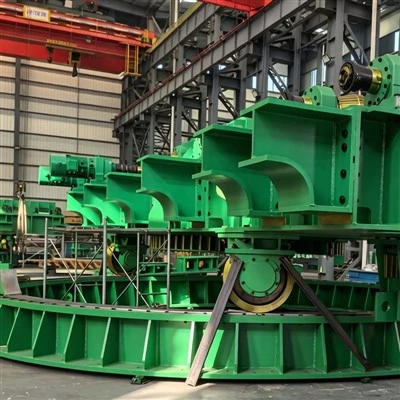
Let’s wrap this up. Extending your hot rolling equipment’s lifespan isn’t rocket science—it’s consistency. It’s pre-heating your rolls, using the right lube, doing regular checks, training your team, and not cutting corners on order load. I’ve been around this industry long enough to know that the best investment you can make in your equipment is care, not just buying the biggest, shiniest parts.
Petrochemical Equipment If you’re dealing with frequent breakdowns, not sure if your lube is right, or need help optimizing your mill’s care routine, I’m here. We’ve worked with shops of all sizes, from small 2-stand mills to large rolling complexes, and we can tailor a plan that fits your needs. No sales pitches, no fine print—just actual, practical advice from someone who’s fixing this equipment every day. Hit me up to chat through what you’re dealing with, and we can figure out how to get your equipment running longer, smoother, and cheaper.
References
- Hot Rolling Equipment Maintenance Guidelines. National Association for Metal Forming, 2022.
- Thermal Stress Mitigation for Industrial Rolling Mills. Journal of Manufacturing Processes, vol. 45, 2020, pp. 672-678.
- Lubrication Best Practices for High-Load Steel Mill Equipment. Steel Technology Association, 2021.
- Operator Training Impacts on Industrial Equipment Lifespan. Journal of Occupational Safety and Health, vol. 18, no. 3, 2019, pp. 112-119.
- Mill Alignment and Efficiency Correlation Study. Industrial Maintenance Magazine, 2023, pp. 24-29.
Jiangsu Dongfang Whole-Set Equipment Manufacturing Group Co., Ltd.
We are one of the most professional hot rolling equipment manufacturers and suppliers in China, also support customized service. With abundant experience, we warmly welcome you to buy durable hot rolling equipment from our factory. If you have any enquiry about pricelist, please feel free to email us.
Address: No. 9, Industrial Park, Xinqiao Town, Jingjiang City, Jiangsu Province
E-mail: dfctwm@163.com
WebSite: https://www.dongfangequip.com/
