As a supplier of other fabrics, I often get asked whether these materials are static – prone. It’s a great question, and it’s important for both manufacturers and end – users to understand. So, let’s dive right in and talk about it. Other Fabrics
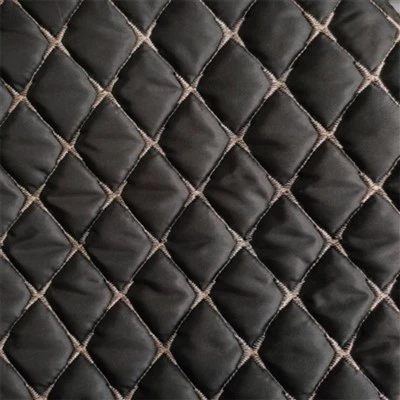
First of all, what exactly is static electricity? It’s a buildup of electric charge on the surface of an object. This charge can accumulate when two different materials rub against each other, causing electrons to transfer from one material to the other. When this happens, one material becomes positively charged and the other negatively charged. And if the conditions are right, you’ll get that annoying little shock when you touch something.
When it comes to other fabrics, the answer to whether they’re static – prone isn’t a simple yes or no. It depends on a few factors.
Fabric Composition
The type of fibers in the fabric plays a huge role. Synthetic fibers, like polyester, nylon, and acrylic, are often more static – prone than natural fibers. Why? Well, synthetic materials don’t absorb moisture as well as natural ones. When the air is dry, and these fibers rub against each other or other surfaces, it’s easier for static charge to build up.
Take polyester, for example. It’s a popular choice in many industries because it’s durable, wrinkle – resistant, and easy to care for. But it’s also known for generating static. You’ve probably experienced it yourself – putting on a polyester shirt in the winter and getting a shock when you touch a doorknob.
On the other hand, natural fibers like cotton, wool, and silk are less likely to create static. Cotton is a great moisture absorber. This means it can help dissipate the electrical charge before it has a chance to build up. Wool also has some natural anti – static properties due to its ability to hold moisture and its unique fiber structure. Silk is smooth and has a natural luster, and it too is less static – prone compared to synthetics.
However, it’s not as cut – and – dry as “synthetic = static, natural = no static”. Some blends of fabrics can behave differently. For example, a blend of polyester and cotton might have a lower tendency to create static than pure polyester, because the cotton helps to reduce the overall static potential.
Environmental Conditions
The environment also has a big impact on whether a fabric will be static – prone. Dry air is a major culprit. During the winter months, when the air inside is heated and very dry, static electricity is much more common. The lack of moisture in the air makes it easier for charges to build up on the fabric’s surface.
In contrast, in a humid environment, the moisture in the air helps to conduct the electrical charge away from the fabric. You’ll notice that on a rainy or humid day, you’re less likely to experience static shocks from your clothes. So, if you’re using other fabrics in a region with a dry climate, or in a building with a lot of air – conditioning that dries out the air, you might have more issues with static.
Finishing Treatments
Fabric finishing treatments can either increase or decrease a fabric’s static tendency. Some manufacturers apply anti – static finishes to their fabrics. These finishes work by either reducing the friction between the fibers or by making the fabric more conductive, so that the charge can be dissipated more easily.
For example, there are chemical treatments that can be added to the fabric during the manufacturing process. These chemicals create a thin layer on the fabric’s surface that helps to prevent static buildup. Some finishes also attract moisture to the fabric, which has a similar effect of reducing static.
On the flip side, some other treatments might actually increase the static potential. For instance, certain types of stiffening agents or coatings can make the fabric more likely to generate static. So, it’s important to know what kind of finishing treatments have been applied to the other fabrics you’re considering.
Applications of Other Fabrics and Static Concerns
Now, let’s talk about how static can be a problem in different applications.
In the clothing industry, static can be a real annoyance. It can make clothes cling to your body, which is not only uncomfortable but also looks unappealing. It can also cause clothes to attract lint and dust, making them look dirty more quickly. For people who work in industries where safety is a concern, like in the electronics or chemical industries, static can be a serious issue. A static spark can potentially cause an explosion or damage sensitive electronic components.
In the home textile industry, static on curtains or upholstery can attract dust and make them harder to clean. It can also cause discomfort for people sitting on static – prone furniture.
How to Reduce Static in Other Fabrics
If you’re dealing with static – prone other fabrics, there are a few things you can do.
In the laundry, you can use fabric softeners or dryer sheets. These products contain chemicals that coat the fabric fibers, reducing friction and preventing static buildup. You can also add a small amount of vinegar to the rinse cycle. Vinegar helps to neutralize the charge on the fabric and leaves it feeling soft.
When it comes to the environment, you can increase the humidity in your home or workplace. A humidifier can be a great investment, especially during the dry winter months. This will help to reduce the static in the air and on your fabrics.
If you’re a manufacturer, you can choose fabrics with anti – static finishes or apply them yourself during the production process. Working closely with a reliable fabric supplier, like me, can help you find the right fabrics for your needs and ensure that they have the appropriate treatments.
Conclusion
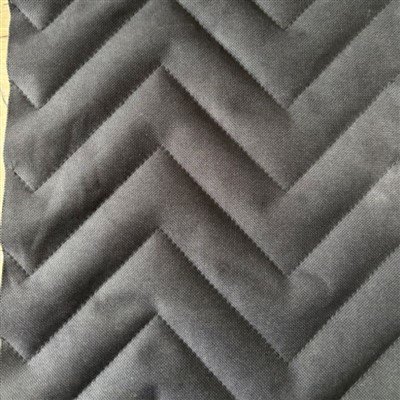
So, are other fabrics static – prone? It really depends on their composition, the environmental conditions, and any finishing treatments applied. Synthetic fabrics are generally more likely to generate static than natural ones, but blends and treatments can change that.
600D Oxford Fabric As a supplier of other fabrics, I can provide you with a wide range of options. Whether you’re looking for fabrics that are less static – prone for everyday clothing, or you need specialized fabrics for industrial applications, I’ve got you covered. If you’re interested in purchasing any of our other fabrics or have questions about static – control in fabrics, don’t hesitate to reach out to me. We can discuss your specific requirements and find the perfect fabric solutions for your needs. Let’s have a conversation and see how we can work together!
References
- Brown, A. Textile Science Basics. 2020.
- Green, L. Understanding Fabric Properties. 2019.
- White, M. Environmental Effects on Fabrics. 2021.
Dongyang Huangxiu Leather & Plastic Co., Ltd.
With abundant experience, we are one of the most professional fabrics manufacturers in China. We warmly welcome you to wholesale customized fabrics made in China here from our factory. If you have any enquiry about quotation and free sample, please feel free to email us.
Address: Huangxiu Leather & Plastic Products, No. 79 Shunda Road, Huashui Town, Dongyang City, Zhejiang Province
E-mail: x372921764@163.com
WebSite: https://www.huangxiutextile.com/
