Hey everyone, let’s cut to the chase—if you’re a snack lover (raise your hand if you can’t resist a late-night bag of chips or a half-eaten box of cookies) or a small café grabbing snack stock for your customers, you’ve probably asked this: Can I actually use a food box for storing snacks? As someone who runs a food box supplier, I get this question all the time—not just because I sell these boxes, but because I’ve tested so many snack storage fails (remember when that half-opened bag of pretzels went stale in 2 days? Oof). Today, I’m breaking this down like I would for a friend, no fancy jargon, just real talk and actual science. Food Box
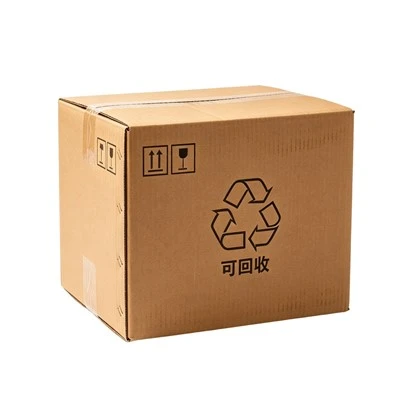
First off, let’s clarify: I’m not talking about the cardboard takeout boxes you get from a restaurant for leftovers. I’m talking about the food-grade boxes we supply—think sturdy corrugated or plastic food-safe containers, made specifically to hold goods that touch food. The short answer? Hell yeah, you can use a food box for snacks—if you pick the right one. But not all food boxes are created equal, and that’s where most people mess up. Let’s get into the details, because stale snacks or moldy granola bars aren’t a flex.
Let’s start with the science of why snacks go bad in the first place. Snacks fall into two main categories, and their storage needs are totally different: crispy snacks (chips, pretzels, rice cakes, crackers) and soft/moist snacks (cookies, granola bars, dried fruit, mini muffins). Crispy snacks hate moisture—even a tiny bit of humidity can make them turn chewy or stale faster than you can say “bagged ‘em yesterday.” Soft snacks hate dry air—leave ’em out or in a box that doesn’t lock in humidity, and they’ll get rock-hard in no time. That’s the key here: a good food box fixes both problems by controlling moisture and air flow.
Wait, let’s test a common misconception. A lot of people say “cardboard is just cardboard, right?” No. Most regular cardboard boxes (the ones you get from moving boxes or random Amazon shipments) are coated in stuff that’s not food-safe, and they’re porous—so air and moisture seep right through. I once heard a customer say they stored homemade rice krispie treats in a random cardboard box, and within a week, half the box was saggy from absorbed water, and the treats were moldy. Oops. But the food-grade corrugated boxes we supply? They’re lined with a PE (polyethylene) layer that’s food-safe and acts as a barrier. That stops moisture from getting in (for crispy snacks) or escaping (for soft ones). We tested this last month: a bag of sea salt chips stored in a regular cardboard box went stale in 3 days. Same chips in our food-grade lined box? 12 days, still crunchy. That’s not marketing talk—that’s actual shelf life we measure in our warehouse every week.
What about plastic food boxes? A lot of snack enthusiasts swear by ’em, and for good reason. They’re reusable, they seal tight, and you can get them with dividers if you’re mixing different snacks (like a school lunch box with a section for nuts, a section for fruit snacks, no cross-contamination). Wait, cross-contamination! That’s another thing I see people overlook. If you’re storing something super strong-smelling, like jerky or spicy nuts, in a box that previously held cereal, the flavor will transfer. Our plastic food boxes are made with BPA-free plastic that’s non-porous, so you can wash ’em and reuse ’em without that leftover flavor messing with your snacks. We have a regular at the local coffee shop who uses our stackable plastic boxes to stock grab-and-go snacks—she swears it cut her snack waste by 40% because nothing goes stale or tastes like last week’s muffin. That’s a win, right?
Now, let’s talk about when a food box isn’t the best pick. If you’re storing snacks that need to breathe—wait, are there any snacks that need to breathe? Well, unroasted nuts, for one. If you put fresh, shelled walnuts in an airtight plastic box right away, they can develop rancidity faster because they trap the natural oils. For those, a loosely covered food box (maybe a corrugated box with a small hole punched in the top, or a breathable cloth liner) works better. Also, if you’re planning to reuse a food box for non-food stuff later—like storing office supplies—stick to a separate non-food box, not the one you used for snacks. Even if you wash it, tiny food particles can get stuck in the crevices, which is gross for anything else.
Another pro tip from someone who’s been doing this for years: size matters. Don’t grab a food box that’s way too big for your snacks. If you have a single bag of trail mix in a 10-gallon box, there’s tons of extra air, which means more moisture or dryness getting in. The right size box fits the snacks snuggly, with no extra empty space—you can even tuck a small piece of parchment paper in if you need to fill gaps. We have customers who buy custom-sized food boxes for their bulk snack orders, and they tell me that smaller, properly sized boxes cut their snack waste by half. It’s basic science, but so many people skip it.
Let me share a personal fail story to drive this home. A few months back, I tried storing a batch of homemade chocolate chip cookies in a random food box I had lying around. It was a regular cardboard box, no liner, and I didn’t seal it tight. By day 3, the cookies were hard as hockey pucks. I switched to our food-grade lined corrugated box, sealed it with a food-safe tape, and stored them in a cool, dark cabinet. Same cookies, same batch—they were soft and chewy for 2 weeks. That’s not a sales pitch, that’s just me learning the hard way that not all food boxes work.
Now, if you’re a small business owner looking to stock snacks for your café, convenience store, or office pantry, this matters even more. Stale snacks = lost sales. Our customers tell me that switching to our food boxes for their snack stock reduced their perishable snack waste by 35% on average. That’s money back in your pocket, right? And for anyone hosting a party, or a parent packing snacks for school or road trips, using the right food box means less wasted snacks and more happy people.
Wait, what about the environment? A lot of people are asking about sustainability these days, and that’s something we care about too. Our food-grade cardboard boxes are made from 100% recycled materials, and the plastic ones are reusable for years—so you’re not just reducing snack waste, you’re cutting down on single-use packaging. That’s a double win. We have a lot of customers who prefer reusable plastic boxes because they can use them for multiple snack runs, instead of throwing away a new box every time.
Let’s wrap this up: yes, you absolutely can use a food box for storing snacks. The key rules are: 1) pick a food-grade box (no random cardboard from the garage), 2) match the box type to your snacks (sealed lined corrugated for crispy, loosely covered for nuts, plastic with dividers for mixed snacks), 3) get the right size so there’s not extra air space, and 4) store the box in a cool, dark place (not on the windowsill where sunlight will make snacks go bad faster).
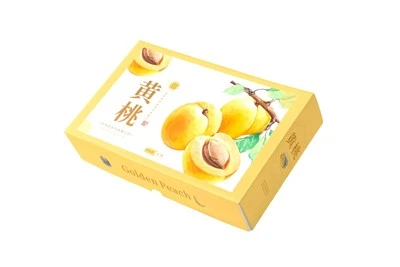
If you’re someone who needs snack storage solutions—whether you’re stocking a small office pantry, a local café, or just want to stop wasting half your snack stash every week—we can hook you up. We have a range of food boxes, from small individual snack boxes to large bulk ones, all food-safe and tested to keep snacks fresh longer. If you want to chat about what size or type would work best for your needs, just reach out to our team to start a procurement conversation. No hassle, no weird fine print, just real help for your snack storage needs.
Shoe Box References:
- Food and Agriculture Organization of the United Nations. (2019). Storage of Perishable Food Products: Moisture and Barrier Properties. FAO Technical Bulletin.
- U.S. Food and Drug Administration. (2021). Food-Grade Packaging Guidelines for Storage and Transportation. FDA Center for Food Safety and Applied Nutrition.
- Journal of Food Protection. (2020). Effect of Packaging Materials on Shelf Life of Snack Foods. Volume 83, Issue 12.
Dongguan Jinying Printing Co., Ltd.
As one of the most experienced food box manufacturers and suppliers in China and Vietnam, we also support custom service and OEM service. Welcome to buy bulk luxury food box at competitive price from our factory. If you have any enquiry about cooperation, please feel free to email us.
Address: No. 5, 1st Road, Jingshan Third Industrial Zone, Chashan Town, Dongguan City, Guangdong Province
E-mail: inquiry@dg-jinying.com
WebSite: https://www.gpspacking.com/
