Hey there! I’m a supplier of power control boxes, and today I’m gonna spill the beans on what materials are used to make these nifty devices. Power Control Box
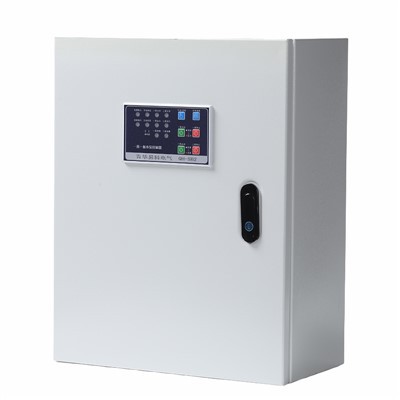
First off, let’s talk about the enclosure. The enclosure is like the outer shell of the power control box, protecting all the internal components from dust, moisture, and physical damage. One of the most commonly used materials for enclosures is steel. Steel is tough as nails, and it can withstand a lot of wear and tear. It’s also great at providing electromagnetic shielding, which is important to prevent interference with the electrical signals inside the box.
Galvanized steel is a popular choice because it has a protective zinc coating that helps prevent rust. This is especially useful if the power control box is going to be installed in a harsh environment, like an industrial setting or outdoors. Stainless steel is another option. It’s more expensive than regular steel, but it’s highly resistant to corrosion, so it’s perfect for applications where the box might be exposed to chemicals or saltwater.
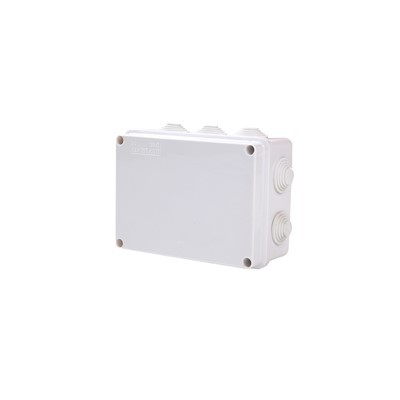
Plastic is also a common material for enclosures. It’s lightweight, easy to work with, and relatively inexpensive. There are different types of plastics used, such as polycarbonate and ABS (acrylonitrile butadiene styrene). Polycarbonate is strong and impact-resistant, and it has good optical properties, which can be handy if you need to have a clear window on the enclosure to view the internal components. ABS is a bit more flexible and has good chemical resistance. It’s often used for smaller, less heavy-duty power control boxes.
Now, let’s move on to the internal components. The circuit board is a key part of the power control box. Printed circuit boards (PCBs) are usually made from a fiberglass-reinforced epoxy laminate. This material provides a stable base for mounting electronic components and allows for the creation of electrical connections through copper traces. The copper traces are like the highways for the electrical signals, carrying power and data between different components on the board.
For the electrical conductors inside the box, copper is the go-to material. Copper is an excellent conductor of electricity, which means it allows electrical current to flow through it with very little resistance. This is important because it reduces energy loss and heat generation. Copper wires are used to connect different components on the circuit board and to carry power to and from the box. They come in different gauges, depending on the amount of current they need to carry.
When it comes to the switches and relays in the power control box, they are typically made from a combination of materials. The contacts of the switches and relays are often made from silver or silver alloys. Silver is a great conductor of electricity, and it has good resistance to oxidation, which helps ensure reliable electrical connections. The housing of the switches and relays can be made from plastic or ceramic, depending on the application. Plastic is lightweight and easy to mold, while ceramic is more heat-resistant and can handle higher voltages.
The fuses in the power control box are also an important safety component. Fuses are usually made with a metal wire or strip that melts when too much current flows through it, breaking the circuit and preventing damage to the other components. The metal used in fuses is often a low-melting-point alloy, such as tin or lead-tin alloy.
Capacitors are another common component in power control boxes. They are used to store and release electrical energy. Capacitors can be made from different materials, such as ceramic, electrolytic, or film. Ceramic capacitors are small and have a high capacitance density, making them suitable for high-frequency applications. Electrolytic capacitors have a higher capacitance value and are often used for power supply filtering. Film capacitors are known for their stability and low loss, and they are used in a variety of applications.
Resistors are used to control the flow of electrical current in the circuit. They can be made from carbon, metal film, or wirewound materials. Carbon resistors are inexpensive and have a wide range of resistance values. Metal film resistors are more precise and have better temperature stability. Wirewound resistors are used for high-power applications because they can handle large amounts of current without overheating.
Transformers are also an important part of many power control boxes. They are used to step up or step down the voltage of the electrical power. The core of a transformer is usually made from a magnetic material, such as iron or ferrite. Iron cores are commonly used in power transformers because they have high magnetic permeability, which allows for efficient transfer of electrical energy. Ferrite cores are used in high-frequency transformers because they have low losses at high frequencies.
Now, you might be wondering why it’s so important to use the right materials in a power control box. Well, using high-quality materials ensures the reliability and safety of the box. If the enclosure is made from a flimsy material, it won’t protect the internal components properly, and there’s a risk of damage from environmental factors. Using low-quality electrical conductors can lead to energy loss and overheating, which can cause the components to fail.
As a supplier of power control boxes, I take great care in selecting the materials for our products. We source our materials from trusted suppliers who meet strict quality standards. This way, we can guarantee that our power control boxes are built to last and perform well in a variety of applications.
If you’re in the market for a power control box, whether it’s for an industrial project, a commercial building, or a residential application, I’d love to have a chat with you. We can discuss your specific requirements and figure out the best materials and design for your needs. Just reach out to us, and we’ll be happy to help you find the perfect power control box solution.
Multimedia Information Box References:
- Electrical Engineering Handbook, Third Edition, CRC Press
- Power Electronics: Converters, Applications, and Design, Third Edition, John Wiley & Sons
Shandong Qinghua Yike Electric Co., Ltd.
As one of the most experienced power control box manufacturers in China, we also support customized service. We warmly welcome you to buy durable power control box for sale here from our factory. If you have any enquiry about cooperation, please feel free to email us.
Address: No. 378 Taozhuang Village, Zaoyuan Town, Lanshan District, Linyi City, Shandong Province
E-mail: admin@sd-qhyk.com
WebSite: https://www.qhecobox.com/
