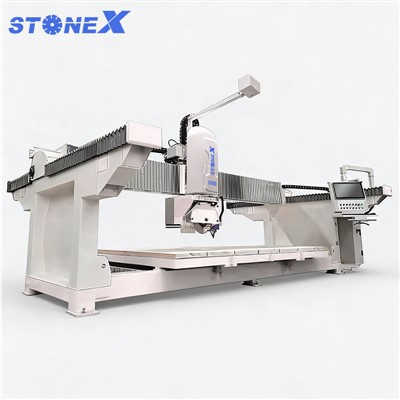
As a supplier of Block Cutting Machines, I understand the critical importance of cutting quality inspection. In the industry, ensuring high – quality cutting is not only a matter of product performance but also a key factor in customer satisfaction and long – term business success. In this blog, I will introduce several common cutting quality inspection methods for Block Cutting Machines. Block Cutting Machine
1. Visual Inspection
Visual inspection is the most basic and intuitive method. It allows operators to quickly identify obvious defects in the cutting process.
- Surface Finish: After the block is cut, carefully examine the surface of the cut piece. A smooth and even surface indicates good cutting quality. Rough or uneven surfaces may be caused by issues such as dull blades, improper cutting speed, or unstable machine operation. For example, if there are visible ridges or grooves on the surface, it could mean that the blade is not cutting smoothly, perhaps due to wear or damage.
- Edge Quality: Check the edges of the cut block. Sharp, clean edges are a sign of proper cutting. Blunt or chipped edges can be a result of incorrect blade alignment, excessive feed rate, or insufficient blade pressure. In some cases, the material of the block itself may also affect the edge quality. For instance, if the block contains hard inclusions, it may cause the blade to chip at the edges during cutting.
- Cutting Straightness: Use a straightedge or a laser alignment tool to check if the cut is straight. A crooked cut can lead to problems in subsequent processing or assembly. Deviations from straightness may be due to mechanical misalignment in the cutting machine, such as a misaligned guide rail or an off – center cutting blade.
2. Dimensional Measurement
Accurate dimensional measurement is crucial for ensuring that the cut blocks meet the required specifications.
- Length, Width, and Height: Use precision measuring tools such as calipers, micrometers, or a coordinate measuring machine (CMM). Measure the length, width, and height of the cut block at multiple points to ensure uniformity. Any significant deviation from the specified dimensions may indicate problems with the cutting machine’s control system, such as inaccurate positioning or incorrect cutting parameters. For example, if the length of the cut block is consistently shorter than the specified value, it could be that the feed rate is too high or the cutting depth is not set correctly.
- Tolerance Analysis: Calculate the tolerance of the measured dimensions. Tolerance refers to the allowable deviation from the nominal dimension. In most industries, specific tolerance requirements are set for cut blocks. If the measured dimensions fall outside the tolerance range, adjustments need to be made to the cutting machine. For example, in the construction industry, where blocks are used for building structures, tight tolerances are often required to ensure proper fit and stability.
3. Material Integrity Inspection
Inspecting the integrity of the material after cutting is essential to ensure that the cutting process has not damaged the internal structure of the block.
- Cracks and Fractures: Use non – destructive testing methods such as ultrasonic testing or X – ray inspection to detect internal cracks or fractures in the cut block. Cracks can weaken the block’s structural strength and may lead to failure in its intended application. For example, in the manufacturing of concrete blocks, internal cracks can reduce the load – bearing capacity of the block.
- Material Separation: Check for any signs of material separation along the cut surface. This can occur if the cutting force is too high or if the material is not properly supported during cutting. Material separation can affect the overall quality and performance of the cut block.
4. Cutting Force and Power Monitoring
Monitoring the cutting force and power consumption during the cutting process can provide valuable insights into the cutting quality.
- Cutting Force: Use a force sensor to measure the cutting force exerted by the blade on the block. An abnormal increase in cutting force may indicate problems such as a dull blade, excessive material hardness, or improper cutting parameters. For example, if the cutting force suddenly spikes during the cutting process, it could be that the blade has hit a hard inclusion in the block or that the feed rate is too high.
- Power Consumption: Monitor the power consumption of the cutting machine. A significant change in power consumption can also be an indicator of cutting quality issues. If the power consumption is higher than normal, it may mean that the machine is working harder than necessary, which could be due to factors such as a dull blade or incorrect cutting speed.
5. Blade Wear Inspection
The condition of the blade has a direct impact on the cutting quality. Regular blade wear inspection is necessary to ensure optimal cutting performance.
- Blade Sharpness: Use a blade sharpness tester to measure the sharpness of the blade. A dull blade will result in poor cutting quality, including rough surfaces and chipped edges. As the blade wears, its cutting ability decreases, and more force is required to cut through the block.
- Blade Wear Patterns: Examine the wear patterns on the blade. Uneven wear patterns may indicate problems with the blade installation, machine alignment, or cutting parameters. For example, if one side of the blade is worn more than the other, it could be that the blade is not properly aligned with the cutting path.
6. Statistical Process Control (SPC)
Implementing Statistical Process Control can help in continuously monitoring and improving the cutting quality of the Block Cutting Machine.
- Data Collection: Collect data on various cutting quality parameters such as dimensions, surface finish, and cutting force over a period of time. This data can be used to establish a baseline for the cutting process.
- Control Charts: Create control charts based on the collected data. Control charts can help in identifying trends and variations in the cutting process. If a data point falls outside the control limits, it indicates that the cutting process may be out of control, and corrective actions need to be taken.
7. Comparison with Standards
Compare the cut blocks with industry standards or customer – specified requirements.
- Industry Standards: Familiarize yourself with the relevant industry standards for block cutting. These standards define the acceptable levels of cutting quality in terms of dimensions, surface finish, and other parameters. Ensure that the cut blocks meet these standards.
- Customer Requirements: In addition to industry standards, pay close attention to the specific requirements of your customers. Some customers may have unique quality requirements based on their application. For example, a customer in the precision engineering industry may require extremely tight tolerances for the cut blocks.
Conclusion
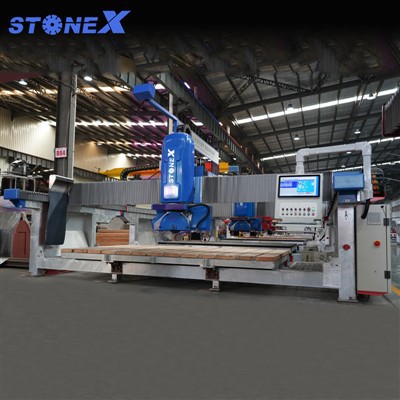
In conclusion, a comprehensive cutting quality inspection method for Block Cutting Machines involves a combination of visual inspection, dimensional measurement, material integrity inspection, cutting force and power monitoring, blade wear inspection, statistical process control, and comparison with standards. By implementing these inspection methods, we can ensure that the cut blocks meet the highest quality standards, which in turn will enhance customer satisfaction and our competitiveness in the market.
Block Cutting Machine If you are interested in our Block Cutting Machines or have any questions about cutting quality inspection, please feel free to contact us for further discussion and procurement negotiation. We are committed to providing you with high – quality products and professional technical support.
References
- ASME B46.1 – 2009, Surface Texture (Surface Roughness, Waviness, and Lay)
- ASTM C90 – 19, Standard Specification for Load – Bearing Concrete Masonry Units
- ISO 1302:2002, Geometrical Product Specifications (GPS) – Indication of Surface Texture
Nantong Huayi Intelligent Equipment Co., Ltd.
As one of the most professional block cutting machine manufacturers and suppliers in China, we offer a wide range of products with superior quality. Please feel free to buy high quality block cutting machine at competitive price from our factory. Contact us for quotation.
Address: Dongsheng Stone Industry Park, Changjiang Town, Rugao City, Jiangsu Province, China
E-mail: claire@hualongm.com
WebSite: https://www.hystonemachinery.com/
