If you’ve ever stopped to think about how the stuff in your industrial dust collector, gas turbine intake filter, or even the catalytic converter in your car works, there’s a good chance it involves sintered fibre felt. As someone who’s been in the sintered fibre felt and filter game for over a decade, I’ve talked to hundreds of engineers, plant managers, and even small shop owners who come to me with the same basic question: “Why does my filter work for a month, then suddenly blow out?” More often than not, the answer boils down to something most people don’t even think about: the bonding strength between the tiny metal (or sometimes ceramic) fibres that make up the felt. It’s not the fibre material itself, or how thin the fibres are, or even how porous the felt looks—though all those matter. The bond between fibres is the unsung hero that makes sintered fibre felt perform the way it does, and get this: even tiny shifts in that bonding strength can completely make or break a product. Let me walk you through what that actually means, and why it matters so much for anyone relying on this material. Sintered Fibre Felt Material and Filter
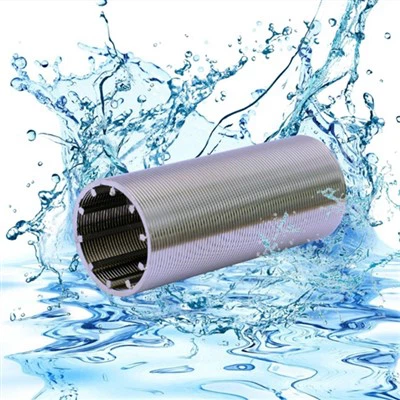
First, let’s keep this simple—no overly technical jargon, I promise. Sintered fibre felt isn’t just a bunch of fibres crumpled together like a cotton ball. You take tiny, micron-sized fibres (think: way thinner than a human hair), lay them down in a random, interwoven mat, then heat them up just enough to make the outer surface of each fibre stick to the fibres around it, without melting the whole thing into a solid block. That point of contact where two fibres touch is the bond. That bond’s strength isn’t a one-size-fits-all number. It ranges from super weak—like a handful of lint, where a light touch makes all the fibres slide apart—to really strong, where you have to put noticeable force to pull two bonded fibres apart.
Early on in my career, I made a mistake that taught me this lesson the hard way. A few years back, a client reached out because their sintered fibre felt filters were failing after just two weeks in a steel mill’s blast furnace gas line. The gas line was hot, had high pressure, and was mixed with abrasive iron ore dust. They’d gotten quotes from three different suppliers, and they picked the cheapest one. The felt looked identical to ours—same fibre type, same porosity, same thickness. But it kept failing. When they sent a sample to us for testing, we cut it open and ran a quick fibre pull test. The bond strength was 30% lower than our standard product. That’s it—just that little gap in bonding strength, and the filter couldn’t hold up. The high-velocity gas and dust would yank fibres loose from the weak bonds, those loose fibres would clog up the tiny pores in the felt, and then the pressure would build until the whole filter tore. The client switched to our product, and their failure rate dropped to zero. That story stuck with me, because it drove home that bonding strength isn’t just a number on a spec sheet—it’s the difference between a filter that works and one that’s a total waste of money.
Let’s break down the specific impacts of bonding strength, because it doesn’t just affect how long the felt lasts. First up: mechanical durability. That’s the big one for most industrial applications. Sintered fibre felt gets knocked around all the time. It’s installed in tight spaces, it’s subjected to vibrations from fans, pumps, or engine parts, it’s hit by high-velocity gas or liquid flow, and in some cases, it’s even brushed or shaken to clean it. If the fibre bonds are weak, every one of those forces works to separate fibres. Start with tiny fibre loosening—over time, enough loose fibres build up on the surface, they clog the pores, reduce flow, and eventually leave gaps where unfiltered material can pass through. For our client in that steel mill, that gap led to costly downtime, too. Unfiltered gas would damage downstream equipment, so they had to shut the whole line down every two weeks to replace filters. Stronger bonds? They hold the fibres in place. Even when hit by high pressure or vibration, the fibres stay locked in their interwoven pattern. We did a test last year where we ran two identical felt samples through 100,000 pressure cycles (that’s like what a filter would go through in a gas turbine over a year). The sample with our standard bond strength lost less than 2% of its permeability. The weak-bond sample lost 18% of its permeability in the same time. That’s a huge difference—imagine a filter that’s constantly getting more and clogged, so you have to replace it every 3 months instead of every 2 years.
Next up: temperature and chemical resistance. A lot of people think sintered fibre felt’s temperature limit is set by the fibre material—like, if you use stainless steel fibres, it can handle up to 1100°F, right? Well, not exactly. The bond itself has a separate temperature limit, and its strength drops way faster than the fibres’ as temperature rises. Let’s say you have a bond made at 2000°F, and it’s rated to hold up to 1200°F. If you make that bond weaker by just 10% (like over-sintering or under-sintering during manufacturing), that rated temperature drops to 1000°F. I’ve seen that happen with ceramic fibre felt used in kilns. A pottery company came to me last year, saying their filters were cracking after just a month in their kiln, which runs at 1100°F. They’d bought a cheap ceramic felt online, and when we tested its high-temperature bond strength, it was half of what our product’s is. At 1100°F, their weak bonds started to soften, so the fibres couldn’t hold the structure together anymore. When they switched to our felt, rated for 1150°F with consistent bond strength, the filters lasted 6 months with no issues. Chemicals are the same way. Weak bonds break down faster from acidic or alkaline fumes. We have a customer in the chemical processing industry who uses our felt to filter hydrochloric acid fumes. If the bond is strong enough, it doesn’t break down even after years of exposure. If it’s weak, the acid eats away at the bond, fibres fall out, and the filter stops working.
Wait, what about filtration performance? That’s the whole point, right? How well the felt catches the stuff it’s supposed to. A lot of engineers assume filtration efficiency is only about pore size. But let’s think about that: if fibres are loose and shifting, they’re going to make the pores irregular. Some pores get bigger than they should, some get smaller. If a fibre comes loose and sticks out from the surface, that can create a gap where particles slip through. We did a side-by-side test with two stainless steel felt samples, same pore size, same fibre thickness. We fed in 1-micron test particles. The sample with weak fibre bonds only caught 92% of the particles. The sample with strong bonds caught 99.97% of them. Why? Because the weak bonds let fibres shift, creating larger pores and irregular surface texture. The strong bonds kept the pore structure exactly as designed, so every particle had to go through the tiny, consistent gaps we intended. That’s a massive difference in filtration efficiency. For anyone filtering pharmaceutical powders or semiconductor gases, that 0.03% gap matters—if even a single particle gets through, it can ruin an entire batch of product.
Another big one: cleanability. A lot of sintered fibre felt filters are reusable, right? You don’t just throw them away when they get dirty—you clean them, usually with compressed air pulse cleaning, backflushing, or even ultrasonic cleaning. That cleaning process puts a lot of stress on the felt. If the bonds are weak, every time you blast it with compressed air to knock off dust, you’re also loosening fibres. Over time, that adds up. Our data shows that filters with weak bonds can only be cleaned a handful of times before they start to degrade. Our filters, with consistent high bonding strength, can be cleaned 50+ times and still perform at nearly full efficiency. We have a power plant customer who’s been using our felt filters for 7 years now, cleaning them every 2 weeks, and they still haven’t had to replace a single filter. That’s the kind of value that comes from getting that bond strength right.
Now, here’s the thing: this doesn’t mean you need the strongest possible bond all the time. That’s a mistake a lot of manufacturers make. If the bond is too strong, you can get brittleness. The felt becomes stiff, cracks easily when it’s bent or installed, and is way more likely to break if it’s exposed to thermal shock—like when a hot filter is suddenly sprayed with water to clean it. For example, if you’re using sintered fibre felt in a catalytic converter that needs to flex slightly to fit around engine components, an overly strong bond would make the felt too rigid, crack after a few thousand miles, and stop working. It’s all about matching the bond strength to the application. For a high-vibration steel mill filter, you want a strong bond to hold up to stress. For a flexing automotive catalytic converter, you want a moderate bond that’s strong enough to keep fibres in place, but flexible enough to move without cracking. That balance is what we’ve spent years perfecting. A lot of new suppliers cut corners by either under-sintering to save time and energy (making bonds too weak) or over-sintering to make bonds extra strong (wasting material, making the felt brittle, and increasing cost). We adjust our sintering process based on exactly what our customer needs.
I also want to address a common myth I hear all the time: “Fibre material is the only thing that matters.” No, it’s not. I’ve seen carbon fibre felt with great fibre strength but terrible bond strength, that falls apart after a month. And I’ve seen low-cost stainless steel fibre felt with great bond strength that outperforms way more expensive fibre materials, just because the bonds are done right. The bond is the glue that holds the whole structure together—literally and figuratively. Without consistent, well-calibrated bond strength, even the best fibre material is useless.
So what does this mean for anyone working with sintered fibre felt? If you’re specifying filters, don’t just look at fibre type, pore size, or price. Ask about the bonding strength, and ask for test data to back it up. Because that cheap filter from the unknown supplier? It might look the same, but the bond strength could be low, and you’ll end up paying for it in downtime, replacements, and lost product. The good news is that it’s not hard to get right. As someone who’s been in this business, I can tell you that consistent bonding strength is something we prioritize over everything else, because we know it’s what our customers rely on.
At the end of the day, sintered fibre felt’s performance isn’t just about the parts you can see. It’s about the tiny, invisible points where fibres touch each other. Get that bonding strength right, and you have a filter that works for years, cuts costs, keeps equipment running, and protects the products you’re making. Get it wrong, and you’ll be dealing with constant failures, headaches, and wasted money.
If you’re tired of filters that don’t perform as promised, if you’re dealing with unexpected downtime, or if you just want to get a better understanding of what makes sintered fibre felt work for your application, reach out. We can send you samples, run custom tests, or walk you through exactly what bond strength you need for your specific use. No generic solutions, no spec sheets full of meaningless numbers—just real, tested performance based on years of working with this material.
Sintered Metal Powder Filter References:
- American Society for Testing and Materials (ASTM) Standard B822, Standard Test Method for Particle Size Distribution of Metal Powders and Related Compounds by Light Scattering, 2021.
- Tummala, R. R., Fundamentals of Sintering and Processing of Ceramic and Metal Materials, Springer, 2018.
- Industrial Filtration Association (IFA) Technical Report: Sintered Fibre Felt Performance Metrics, 2022.
- Zhang, L., et al., Mechanical and Thermal Properties of Sintered Metal Fibre Felts for High-Temperature Filtration, Journal of Materials Processing Technology, vol. 255, 2018, pp. 456-464.
Henan Easy Filter Equipment Co., Ltd.
As one of the leading sintered fibre felt material and filter manufacturers and suppliers in China, we offer a wide range of products with superior quality. Please rest assured to buy advanced sintered fibre felt material and filter from our factory. We also accept customized orders.
Address: Apartment No.1, Building No.2, Zhengshang Jinyushijia, Xinzhong Street, Xinxiang, Henan, China.
E-mail: vivian@easyfiltertech.com
WebSite: https://www.easyfilter-china.com/
