Hey there! I’m a supplier of PMMA Vacuum Tanks, and I get asked all the time about how to ensure the stability of these tanks during operation. It’s a crucial aspect, as a stable vacuum tank is not only essential for the efficiency of your process but also for the safety of your entire setup. So, let’s dive right in and explore some key strategies. PMMA Vacuum Tank
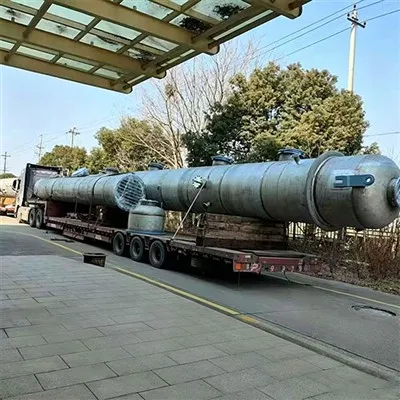
1. Proper Design and Installation
First off, a well – designed PMMA Vacuum Tank is half the battle won. When we’re fabricating these tanks, we take into account a bunch of factors to make sure they can handle the rigors of vacuum operation.
The thickness of the PMMA material matters a lot. If it’s too thin, the tank might crack under the pressure difference between the inside (vacuum) and the outside (atmospheric pressure). We use high – quality PMMA with a thickness that’s appropriate for the intended vacuum level. For example, for a medium – level vacuum application, a thickness of around 10 – 15 mm might be sufficient, but for higher vacuum levels, we’d go for 20 mm or more.
The shape of the tank also plays a role. We usually recommend cylindrical or spherical shapes because they distribute stress more evenly compared to rectangular or square ones. Rectangular tanks tend to have stress concentrations at the corners, which can lead to cracks over time.
When it comes to installation, it’s super important to mount the tank securely. We always suggest using a stable base or frame. The tank should be leveled properly; even a slight tilt can cause uneven stress distribution. We provide detailed installation instructions to our customers, but if you’re not sure, it’s a good idea to hire a professional installer. They can make sure the tank is installed exactly as required and that all the connections are tight.
2. Monitoring and Control of Vacuum Levels
Another vital aspect is to closely monitor and control the vacuum levels inside the tank. Vacuum pumps are used to create and maintain the desired vacuum, but they need to be regulated properly.
We recommend using a reliable vacuum gauge. There are different types available, like Pirani gauges for low to medium vacuum levels and cold cathode gauges for high vacuum levels. The gauge should be connected to the tank so you can always see what the vacuum level is.
It’s also a good idea to set up an automated control system. This system can regulate the operation of the vacuum pump based on the pre – set vacuum level. For example, if the vacuum level drops below a certain point, the system can automatically turn on the pump to bring it back up. This helps to maintain a consistent vacuum, which is essential for the stability of the tank.
Over – pressurizing or under – pressurizing the tank can lead to problems. Over – pressurizing can cause the tank to shatter, while under – pressurizing might not give you the proper conditions for your process. So, keeping a close eye on the vacuum levels is a must.
3. Temperature Management
Temperature can have a significant impact on the stability of a PMMA Vacuum Tank. PMMA has a certain coefficient of thermal expansion, which means it will expand or contract as the temperature changes.
When the tank heats up, it can cause internal stresses. If these stresses are too high, they can lead to cracks or even deformation of the tank. To avoid this, we recommend using a temperature control system.
One way to manage the temperature is by using a cooling jacket around the tank. This jacket can circulate a cooling fluid, like water, to keep the temperature of the tank within a safe range. You can set the temperature of the cooling fluid based on the operating conditions of your process.
Another option is to insulate the tank. Insulation helps to reduce heat transfer between the tank and the environment, which can prevent sudden temperature changes. This is especially important if the tank is located in an area with fluctuating ambient temperatures.
4. Regular Maintenance and Inspection
You can’t just install a PMMA Vacuum Tank and forget about it. Regular maintenance and inspection are essential to keep it in good working condition.
We suggest inspecting the tank for any signs of wear and tear on a monthly basis. Check for cracks, scratches, or discoloration on the surface of the PMMA. Even a small crack can grow over time and lead to a failure of the tank.
The seals and gaskets also need to be inspected regularly. They are crucial for maintaining the vacuum inside the tank. If the seals are damaged or worn out, they can cause leaks, which will affect the stability and performance of the tank. Replace any faulty seals immediately.
The vacuum pump also needs proper maintenance. Check the oil level in the pump (if it’s an oil – sealed pump), and change the oil according to the manufacturer’s recommendations. Clean the filters regularly to ensure smooth operation.
In addition to monthly inspections, we recommend a more thorough annual maintenance check. This can include a pressure test to make sure the tank can still hold the required vacuum level.
5. Handling and Loading Considerations
How you handle and load the PMMA Vacuum Tank can also affect its stability. Avoid any sharp impacts on the tank. PMMA is a hard material, but it can still crack if hit hard.
When loading the tank with materials, do it carefully. Make sure the materials are evenly distributed inside the tank. Uneven loading can cause uneven stress on the tank walls, which can lead to deformation or cracking.
If you need to move the tank, use proper lifting equipment. Don’t try to lift it manually, as this can cause damage. You should always follow the safety guidelines for handling the tank.
Wrapping It Up and Reaching Out
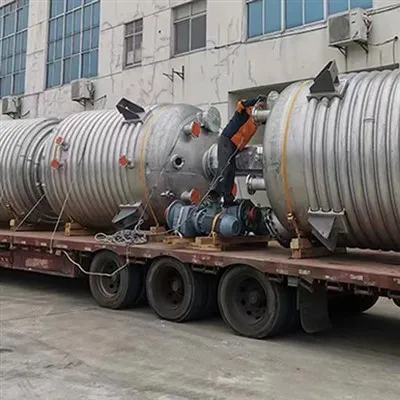
Ensuring the stability of a PMMA Vacuum Tank during operation is a multi – faceted process. It involves proper design and installation, careful monitoring of vacuum levels, temperature management, regular maintenance, and correct handling. By following these steps, you can ensure that your PMMA Vacuum Tank operates safely and efficiently for a long time.
PMMA Exhaust Gas Treatment Equipment If you’re in the market for a high – quality PMMA Vacuum Tank or need more advice on how to keep it stable, don’t hesitate to reach out. We’re here to help you find the perfect solution for your needs.
References
- ASME Boiler and Pressure Vessel Code.
Wuxi Quansheng Industrial Equipment Co., Ltd.
As one of the most professional PMMA vacuum tank manufacturers and suppliers in China, we have world-leading production equipment and strong manufacturing capabilities. Welcome to buy high quality PMMA vacuum tank for sale here from our factory. For price consultation, contact us.
Address: No.10, Fulaiqiao Road, Hudai Town, Binhu District, Wuxi City, Jiangsu Province, China
E-mail: 397293586@qq.com
WebSite: https://www.pmmatech.com/
