Copper turning is a specialized machining process that involves shaping copper workpieces using lathes. As a copper turning supplier, I’ve witnessed firsthand the dynamic nature of this industry and the diverse career prospects it offers. In this blog post, I’ll delve into the various opportunities available for copper turning operators, the skills required, and the future outlook for this profession. Copper Turning
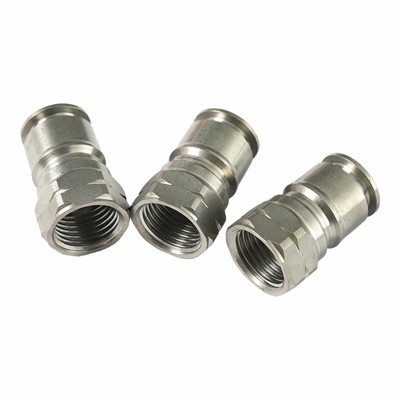
Current State of the Copper Turning Industry
The copper turning industry is an integral part of the manufacturing sector. Copper, with its excellent electrical conductivity, thermal conductivity, and corrosion resistance, is widely used in various applications, including electrical wiring, plumbing, automotive parts, and electronics. The demand for precision copper components continues to grow, driven by technological advancements and the increasing need for high – quality products.
In recent years, the industry has seen significant technological improvements. Computer Numerical Control (CNC) machines have become the norm, replacing traditional manual lathes in many workshops. These CNC machines offer greater precision, efficiency, and flexibility, allowing operators to produce complex parts with ease. This shift has also increased the demand for operators who are proficient in using CNC technology.
Career Paths for Copper Turning Operators
Entry – Level Operator
At the entry level, copper turning operators typically start as machine tenders. Their primary responsibility is to monitor the operation of the turning machines, load and unload workpieces, and perform basic quality checks. They learn the fundamentals of copper turning, such as the properties of copper, the different types of cutting tools, and the basic operation of the lathes.
Entry – level operators usually receive on – the – job training, which may last from a few weeks to a few months. During this period, they work under the supervision of experienced operators, learning the skills necessary to operate the machines safely and efficiently. They may also be required to perform routine maintenance tasks, such as cleaning the machines and changing the cutting tools.
Skilled Operator
As operators gain more experience and skills, they can progress to become skilled operators. Skilled copper turning operators are responsible for setting up the machines, programming the CNC systems, and producing high – quality parts according to the specifications. They need to have a good understanding of mathematics, geometry, and mechanical principles to ensure accurate machining.
Skilled operators are also involved in problem – solving. They may need to troubleshoot issues with the machines, such as tool wear, vibration, or dimensional inaccuracies. They use their knowledge and experience to make adjustments to the machining parameters and ensure that the production process runs smoothly.
Team Leader or Supervisor
With further experience and leadership skills, copper turning operators can advance to become team leaders or supervisors. In this role, they are responsible for managing a team of operators, coordinating the production schedule, and ensuring the quality of the products. They need to have good communication and organizational skills to effectively lead the team.
Team leaders and supervisors also play a role in training new operators and implementing process improvements. They work closely with other departments, such as engineering and quality control, to ensure that the production process meets the company’s standards and customer requirements.
Technician or Engineer
Some copper turning operators may choose to further their education and become technicians or engineers. Technicians are involved in the design and development of new machining processes and tools. They use their technical knowledge to optimize the production process, improve the quality of the products, and reduce costs.
Engineers, on the other hand, are responsible for the overall design and management of the manufacturing process. They have a deep understanding of engineering principles and use advanced software and simulation tools to design and test new products. Becoming a technician or engineer usually requires a formal education in engineering or a related field, as well as several years of experience in the copper turning industry.
Skills Required for a Copper Turning Operator
Technical Skills
- Machine Operation: Operators need to be proficient in operating both manual and CNC lathes. They should be able to set up the machines, select the appropriate cutting tools, and adjust the machining parameters to achieve the desired results.
- Programming: For CNC machines, operators need to have basic programming skills. They should be able to write simple programs using G – code and understand how to use the machine’s control panel.
- Measurement and Inspection: Operators need to be able to use precision measuring tools, such as micrometers, calipers, and gauges, to ensure that the parts meet the required specifications. They should also be familiar with quality control procedures and be able to perform basic inspections.
Soft Skills
- Attention to Detail: Copper turning requires a high level of precision. Operators need to pay close attention to every detail of the machining process to ensure that the parts are produced accurately.
- Problem – Solving: Machines can encounter various problems during the production process. Operators need to be able to analyze the issues and come up with effective solutions in a timely manner.
- Teamwork: In a manufacturing environment, operators often work as part of a team. They need to be able to communicate effectively with their colleagues, share information, and work together to achieve the production goals.
Future Outlook for Copper Turning Operators
The future outlook for copper turning operators is promising. The demand for copper components is expected to continue to grow in the coming years, driven by the expansion of industries such as electronics, automotive, and renewable energy. As technology continues to evolve, the industry will also see the development of new and more advanced machining processes and tools.
However, the industry is also facing some challenges. The increasing automation and the use of robotics in manufacturing may reduce the demand for some entry – level positions. To stay competitive, copper turning operators need to continuously update their skills and knowledge to adapt to the changing technological landscape.
Why Choose a Career in Copper Turning
- Job Security: As long as there is a demand for copper components, there will be a need for skilled copper turning operators. The industry is relatively stable, and operators with the right skills and experience can expect to have long – term job security.
- Good Earning Potential: Skilled copper turning operators can earn a good salary, especially those who are proficient in using CNC technology. With experience and additional certifications, operators can also increase their earning potential.
- Opportunities for Advancement: As mentioned earlier, there are many opportunities for career advancement in the copper turning industry. Operators can progress from entry – level positions to more senior roles, such as team leaders, technicians, or engineers.
Contact for Procurement
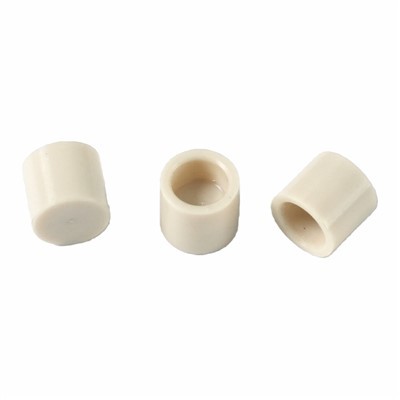
If you’re in the market for high – quality copper turned components, we’re here to help. Our team of experienced copper turning operators is dedicated to providing precision – machined parts that meet your exact specifications. Whether you need a small batch of custom parts or a large – scale production run, we have the expertise and the equipment to deliver.
Aluminum Turned Parts We understand the importance of quality, reliability, and timely delivery. That’s why we use the latest CNC technology and strict quality control measures to ensure that our products meet the highest standards. If you’re interested in discussing your copper turning requirements, please reach out to us. We look forward to working with you to meet your procurement needs.
References
- "Manufacturing Engineering and Technology" by Serope Kalpakjian and Steven R. Schmid
- "CNC Programming Handbook" by Peter Smid
- Industry reports from relevant manufacturing associations
Huizhou Quanyi Precision Hardware Products Co., Ltd.
We’re well-known as one of the leading copper turning manufacturers and suppliers in China, featured by quality products and good service. Please rest assured to buy customized copper turning made in China here from our factory. Contact us for more details.
Address: Building A10, 7th Floor, Zhongchuangyingke 5G Industrial Park, Zhonghan Industrial Park, Tonghu Town, Huizhou City
E-mail: info@qycncturning.com
WebSite: https://www.qycncturning.com/
