If you’re someone in the edible oil industry, you’ve probably wondered at least once: Can that humble oil expeller I use for small-batch, artisanal production scale up to meet larger demand? As a supplier of these machines for over a decade, I get this question all the time—mostly from small mill owners looking to grow, or larger manufacturers testing ways to trim costs without sacrificing oil quality. The short answer? It’s not just possible; it’s actually a lot more practical than you might think, once you look past the “small machine” stereotype. Oil Expellers
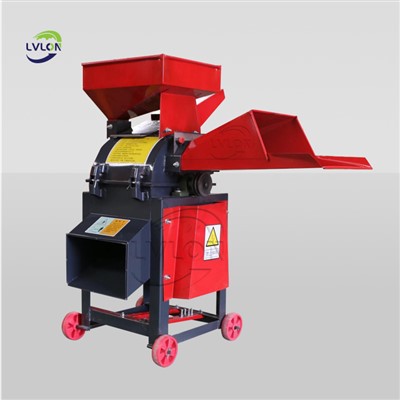
Let’s start with the biggest myth most people buy into: that oil expellers are only for home use or tiny, local operations. Back when I first started selling these machines in the early 2010s, that was mostly true. The ones you saw were 2-horsepower units, ran on a single-phase power outlet, and could barely crank out 50 pounds of oil per hour. But fast forward to today, and we’ve built expellers tailored for medium and even large-scale production—think 20+ horsepower, three-phase compatible, and capable of 500 to 2,000 pounds of oil per hour, depending on the seed. These aren’t your grandma’s countertop presses. They’re heavy-duty, industrial-grade machines built for consistent, 24/7 runs, and they don’t cut corners on extraction efficiency.
Wait, but why would someone choose an oil expeller over other large-scale methods, like solvent extraction? Let’s be real—solvent extraction is the go-to for most big brands because it’s super efficient, gets almost every last drop of oil out of seeds. But here’s the catch: that method uses harsh chemicals, and for a lot of producers, that’s a non-starter. Consumers these days are begging for cold-pressed, unrefined, natural oils—think olive, coconut, sunflower, or even specialty seeds like hemp or flax. Oil expellers are perfect for that, because they work by mechanical pressure only, no chemicals, no high-heat refining. For large-scale producers targeting the specialty, organic, or craft oil market, that’s a huge selling point. You can get the same clean, high-quality oil you get from a small batch, just on a way bigger scale.
I remember a client of mine from Texas—they had a small, 100-pound-per-hour expeller in a roadside shop selling cold-pressed sunflower oil to locals. A few years back, they decided to start supplying regional health food stores, which needed 2,000 pounds a week. They thought they’d have to buy a whole new solvent extraction setup, which would’ve cost them hundreds of thousands of dollars. Instead, they upgraded to one of our large-scale expellers, paired with a small filtering system we also supply. Now they’re cranking out 1,200 pounds per hour, use the same facility, and their oil still has that cold-pressed label that makes their products fly off shelves. They saved like 70% on startup costs compared to going the solvent route, and their oil quality never dropped. That’s the real win here.
Now, let’s talk about the nuts and bolts—what makes an expeller work for large-scale, and what you need to consider if you’re thinking about scaling. First, not all seeds are the same. An expeller that works great for peanuts might not handle cottonseed or copra as well. Our large-scale units are modular, so you can swap out the screw and barrel liners depending on what seed you’re processing. That’s key if you’re planning to switch between crops, or if you want to expand into more products down the line.
Then there’s maintenance. A lot of operators worry that big expellers are going to be a pain to keep running—like, parts that break all the time, expensive repairs. But here’s the thing: modern expellers are built with durable alloy steel parts, and most of the wear items (liners, screws, seals) are super easy to replace, even with in-house maintenance teams. We also provide 24/7 support for our large-scale clients, so if something goes wrong at 2 a.m. during a big run, you’re not left stranded. Contrast that with solvent extraction systems, which have way more moving parts, require specialized technicians for every little issue, and need way more regular upkeep. Expellers are way more low-fuss for ongoing large-scale operations.
Wait, but what about throughput? Can an expeller really keep up with big demand? Let’s do the math: a single 2,000-pound-per-hour expeller runs 8 hours a day, 5 days a week, and that’s 80,000 pounds of oil a week. That’s enough to supply dozens of retail stores, or even small local grocery chains. If you need more, you can just add another expeller—they’re compact, don’t take up a ton of floor space, and you can run them all from the same control station. No need to renovate a whole big factory like you would for a solvent setup. That flexibility is a game-changer for producers who are growing, not just staying stagnant.
But there’s a few caveats, right? You can’t just take a home expeller and plug it into a factory and expect it to work. For large-scale, you need to make sure you’ve got the right infrastructure: three-phase power (most places already have this for industrial equipment), a space to store seeds and the finished oil, and a filtering system to remove pulp and debris after pressing. We usually walk clients through that during the sales process—we don’t just drop a machine off and disappear. We help them set up the workflow, train their team on how to run it, and even suggest small tweaks to make their process smoother.
Another thing people ask: What about oil yield? Will a large expeller get as much oil out of seeds as a solvent system? For cold-pressed operations, the yield is actually pretty comparable. If you’re processing seeds that are high in oil content (like sunflower, which is around 40-50% oil), a good expeller will get you 90-95% of the oil. That’s more than enough for most specialty markets. If you’re after every last drop, you can even pair an expeller with a small solvent extraction step for the leftover cake—so you get the best of both worlds: natural, high-quality oil from the expeller, and maximum yield from the residual. We’ve set up that hybrid setup for a few clients, and they love it because it keeps their organic label intact while still being profitable.
I’ve seen this space change so much in the last 10 years. Back when I started, people thought large-scale oil production meant only big, chemical-heavy plants. Now, with the rise of organic, cold-pressed, and plant-based foods, more and more producers are turning to oil expellers because they can meet demand without compromising quality. Even some of the bigger brands—we’ve worked with a few national health food companies—are using our large expellers for their small-batch, premium lines, while their bulk lines use solvent extraction. It’s not an either/or; it’s a way to diversify your product line and appeal to different markets.
If you’re a producer who’s on the fence about scaling, or you’re tired of paying premium rates for oil that doesn’t feel right, don’t write off oil expellers as just a small-business tool. We’ve built machines that are ready for heavy, daily use, and we’re here to help you make the transition. Whether you’re just starting out and want to plan for growth, or you’re a mid-sized mill looking to expand your capacity, we can help you find the right expeller setup that fits your needs, your space, and your budget.
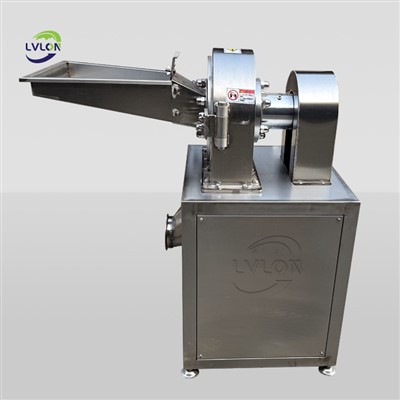
If you’re ready to chat through how an oil expeller could work for your large-scale production, get in touch with our team to discuss your specific needs. We’ll break down what machine size works for your throughput, what extra equipment you might need, and how the whole process would fit into your current setup.
Threshing Machine References
- Food and Agriculture Organization of the United Nations. (2020). Small-Scale Oil Extraction Using Mechanical Expellers: A Guide for Producers. Rome: FAO.
- World Health Organization. (2021). Natural Edible Oils: Production Methods and Consumer Trends. Geneva: WHO.
- International Institute of Tropical Agriculture. (2019). Mechanical Oil Pressing for Commercial Smallholder Farms. IITA Research Bulletin, Vol. 12 No. 3.
Henan Lvlon Industrial Co., Ltd.
Address: Unit 5, 5th Floor, Building 11, No. 18 Dongfeng Road, Jinshui District, Zhengzhou City, Henan Province.
E-mail: lvlonxu@gmail.com
WebSite: https://www.lvlonmachinery.com/
