When I started my business as a powder puff supplier three years ago, I couldn’t tell you the difference between a makeup sponge and a brush—let alone debate whether a powder puff or a powder brush was better. Back then, I was just trying to fill a gap in the market for high-quality, ethically made makeup tools that didn’t cost an arm and a leg. Every week, I’d get DMs from makeup artists, indie brand owners, and even regular folks doing their makeup at home, all asking the same question: “Should I be using a puff instead of a brush, or is it just hype?” That question stuck with me, so I spent months testing both side by side, talking to formulators, and watching how different skin types reacted to each. Today, I’m not just a supplier—I’m someone who’s lived this debate, and I want to break it down honestly, no fancy marketing fluff. Powder Puff
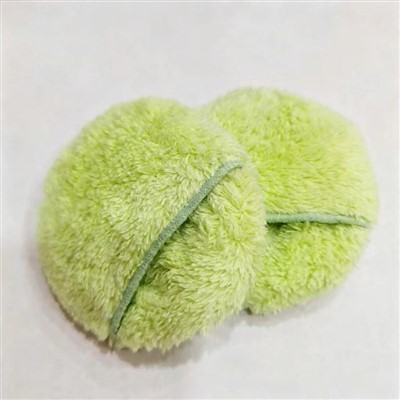
First, let’s get the basics out of the way. A powder puff is a soft, flat pad—usually made of velvet, microfiber, or a combination of both—designed to pick up loose or pressed powder and deposit it evenly on the skin. A powder brush, on the other hand, is a tool with bristles (synthetic for cruelty-free, natural for traditionalists) shaped into a large, fluffy dome or oval, made to sweep powder across the face. At their core, both do the same job: set foundation, reduce shine, add a soft finish. But how they do it? That’s where the real comparison lives.
I started with the finish, because that’s what most people notice first. When I tested our top-selling velvet powder puff with translucent setting powder, I noticed it didn’t just sit on top of the skin—it pressed the powder into the pores. For my combination skin (oily T-zone, dry cheeks), this meant the powder lasted through a full workday without creasing around my nose or under my eyes. The finish was soft, almost matte but not flat—like your skin, just smoother. Then I tried a large powder brush, a synthetic one from a well-known brand. Sweeping it across my face left a lighter, more diffused finish. It blurred fine lines nicely, but because it’s sweeping instead of pressing, the powder would settle a little more on the surface of my forehead, which would start to shine by mid-afternoon. For someone with very dry skin, that might be a plus—less chance of the powder clinging to dry patches—but for oily or combination, the puff’s press-and-set method is more effective.
Next, coverage and control. I worked with a freelance makeup artist last year, and she told me she switched to puffs for client touch-ups because they give way more control. With a powder brush, it’s easy to apply too much powder to an area—one wrong sweep, and you’re left with a greyish cast on your jawline. Puffs? You can dab lightly, building coverage only where you need it. I tested this by applying foundation all over, then setting half my face with a puff and half with a brush. The puff side only needed one quick press under my eyes and on my T-zone; the brush side took two passes to get the same level of setting, and even then, it was a little more sheer. For people who hate that heavy, cakey feeling, the puff’s precision is a game-changer. I’ve also heard from bridal clients who use puffs for their wedding day—they don’t want any touch-ups during photos, and the puff’s ability to set without looking overdone is exactly what they need.
But let’s talk about skin texture, because that’s a big one I almost missed. I have a friend with sensitive, acne-prone skin who’s tried both tools. When she used a powder brush, the bristles would sometimes get caught on the texture around her cheeks, and she said it felt like it was irritating her skin every time she applied powder. The powder puff, though? It’s a smooth pad, so it glides over her skin without catching, and because it’s pressing the powder in, it doesn’t disrupt the barrier on her face. I tested this myself on a day when I had a little irritation around my chin—using the puff left the area feeling calm, while the brush made it a little redder. For people with rough skin, acne, or even just dry, flaky patches, the puff’s soft, non-abrasive surface is way gentler. That said, powder brushes aren’t all bad for sensitive skin—synthetic brushes with super soft bristles can work, but they require a lot more care to keep the bristles from getting scratchy over time.
Now, durability and maintenance—two factors that matter a lot for regular users. I always say that a tool is only as good as how you take care of it. Let’s start with powder brushes: synthetic ones, if you clean them regularly (every 1-2 weeks, depending on use), can last for years. The bristles hold their shape, and you can replace the head sometimes if it frays. But here’s the thing: loose powder gets trapped in the bristles’ roots, and even with cleaning, it’s hard to get out all of it. That old powder can break down over time, and it might start to irritate your skin. What about powder puffs? Our microfiber puffs, when you wash them with gentle soap and let them air dry, can last 2-3 months with regular use. They don’t trap powder the way a brush does, so cleaning is faster—you just squeeze out the soap, rinse, and that’s it. I’ve seen people switch from brushes to puffs because they got sick of spending 20 minutes every week cleaning their brushes, when they can clean a puff in 2 minutes. The downside? Puffs don’t last as long as a high-quality brush, but for the average user, that’s a small trade-off for the ease.
Wait, but let’s not forget application for different powder types. If you’re using pressed powder, both tools work. But loose powder? Puffs are better, hands down. Because loose powder is fine, the press of a puff pulls it into the pad, so you don’t get a cloud of powder flying everywhere when you apply it. I used to use a brush with loose powder in my car for touch-ups, and it would get all over my steering wheel, my jacket—even the inside of my bag. Now, with a small powder puff, I just tuck it into my makeup bag, press it lightly, and go. No mess, no waste. For pressed powder, a brush might give a more even sweep if you’re doing a full face, but again, the puff’s control is hard to beat.
I’ve also heard a lot of myths out there—like “powder puffs are only for beginners” or “powder brushes give a more professional finish.” From what I’ve seen, that’s not true. Last year, I supplied puffs to a makeup artist working on a film set, and she used them for all the close-up scenes because the finish was flawless on camera. Close-ups don’t like heavy, surface-level powder, and the puff’s press-and-set method avoids that. Another myth: “puffs are more expensive.” At our supplier business, a high-quality velvet puff is $3, while a good synthetic powder brush is $15-$20. For people on a budget, puffs are a way to get a professional result without breaking the bank.
Of course, there are cases where a powder brush is still the better choice. If you want a very light, diffused setting for a dewy makeup look, a brush can sweep powder on without mattifying your skin too much. If you’re applying powder all over your face quickly—say, a quick touch-up before going out—some people prefer the sweep of a brush over the press of a puff. It’s all about what works for your skin type, your makeup routine, and the finish you want.
But here’s what I always tell new customers who reach out to me: don’t choose one and ditch the other. I use both, depending on the day. On days when my skin is oily, I reach for a puff to set my T-zone. On days when I want a more natural look, I use a brush to dust a little powder over my cheeks. The key is knowing what each tool does well, and using them for their strengths.
As a powder puff supplier, I’ve learned that the biggest mistake people make is thinking one tool is universally better. The best option is the one that fits your skin, your lifestyle, and your makeup goals. If you’re tired of cakey setting powder, if you have sensitive skin, if you hate cleaning brushes—give a powder puff a try. If you love a soft, diffused finish and don’t mind the extra care for your brush, stick with what works.
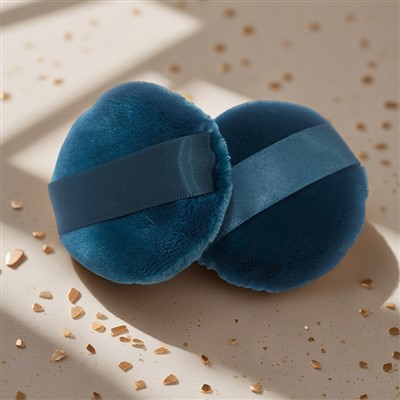
At the end of the day, makeup is personal. The tools you use should make the process easier, not more complicated. If you’re in the market for powder puffs, or you want to test the difference for yourself, feel free to reach out to discuss your needs and find the right products for your routine. We’re here to help, whether you’re a first-time user or a professional makeup brand looking to restock.
Loose Powder Puff References
- American Academy of Dermatology. (2022). "Choosing the Right Makeup Tools for Sensitive Skin." Journal of Clinical Dermatology.
- Cosmetics and Toiletries Magazine. (2021). "Finish and Application: A Comparison of Powder Tools for Makeup."
- International Journal of Cosmetic Science. (2020). "The Impact of Makeup Tool Texture on Skin Barrier Function."
- Personal communication with freelance makeup artist, Maria Lopez, 2023.
- Powder Tool Industry Report, 2022.
Guangzhou Aoli Beauty Cosmetics Co., Ltd.
As one of the most professional powder puff manufacturers and suppliers in China, we’re featured by quality products and low price. Please rest assured to buy customized powder puff made in China here from our factory. Contact us for more details.
Address: No.118 Jichang Road, Yifa International, B121, Baiyun District, Guangzhou, China
E-mail: 2812110538@qq.com
WebSite: https://www.aoliybeauty.com/
