What’s up, maritime crew, ship owners, and anyone deep in the marine equipment game? If you’ve ever stood on a ship’s deck during a rough Atlantic crossing, watched a tugboat nudge a container vessel into a tight port berth, or even thought about how a fishing trawler keeps its hold dry—you’ve probably stumbled across marine valve equipment. For me, this stuff isn’t just metal parts in a warehouse; it’s the unsung backbone of every vessel that sails the seven seas. As someone who’s spent years sourcing, supplying, and troubleshooting this gear for all kinds of marine operators, I’ve seen firsthand how valves don’t just “control flow”—they keep ships running, safe, and compliant. Let’s break down what these bad boys actually do, why they matter more than most folks think, and how getting the right ones makes all the difference. Marine Equipment

First off, let’s get one thing straight: marine valves aren’t like the faucet under your kitchen sink. Yeah, they control liquids or gases, but the environment they work in is brutal—corrosive saltwater, massive pressure swings, constant vibration from engines and waves. That’s why they’re built tough, and their functions are tailored to the exact chaos of life at sea. The first big job? Keeping compartments dry, and let’s be real, that’s non-negotiable. Think about a ballast tank—those are the big tanks in the hull that adjust a ship’s weight and balance, right? When a ship’s empty in the port, it’s top-heavy, like a soda can held upside down. You pump seawater into ballast tanks, and that’s where ballast valves come in. They let you fill tanks when you need more stability, empty them when you’re heading out to sea, and even isolate individual tanks if one gets a leak. I’ve seen what happens when a ballast valve malfunctions—last year, a regional cargo ship we work with had a stuck valve during a storm, and it took on 20 tons of extra water before they could fix it. No one got hurt, but they missed two port calls and dropped $150k in revenue. That’s the kind of cost a tiny valve issue can cause.
Then there’s the engine room, which is basically the heart of any ship, and valves are the blood vessels that keep it pumping. Main engines, generators, auxiliary systems all run on fuel, lube oil, and cooling water, and they need those fluids moving at exactly the right rate, pressure, and temperature. Take fuel oil valves, for example. They have to handle high-pressure heavy fuel oil (HFO) that’s heated to 150 degrees Celsius to make it flow properly. If those valves don’t adjust correctly, you’ll get uneven fuel to the engine cylinders, which causes wasted fuel, higher emissions, and can even damage the engine over time. And don’t forget about cooling systems—seawater cooling valves pull in cold ocean water to cool the engine’s jacket, then dump it back overboard. If that valve clogs or leaks, the engine overheats fast. I remember a fishing trawler owner calling us at 2 a.m. once, panicking because their engine cooling valve failed mid-trip. We got a replacement shipped out by the next port, but they had to cut their catch short, which cost them a whole season’s worth of work. Valves in the engine room aren’t just part of the setup—they’re mission-critical.
Another huge function: safety systems, which are non-negotiable per international marine rules. International Maritime Organization (IMO) has strict regulations for everything from fire safety to pollution prevention, and valves are at the center of most of these. Fire mains, which are the pipes that spray water on fires aboard ship, rely on fire valves that open fast when there’s an emergency, shutting off parts of the system if a pipe breaks so you don’t lose pressure. Then there’s the bilge system—bilge is the gross, oily water that collects in the bottom of the ship from leaks, rain, and washing decks. Bilge valves control pumps that suck that water out, but they also have to make sure we don’t dump that oily water into the ocean. That’s where the oily water separator (OWS) valves come in. They switch the flow over to the separator, which cleans the water before it’s discharged overboard, or shut it down entirely if the separator isn’t working. The fines for dumping oily water are insane—like millions of dollars for big cargo ships—and valve issues are one of the top reasons these violations happen. Last year, a cruise line we supply got cited because a faulty OWS valve let raw bilge water slip through, and they had to pay a $2.5 million fine. That’s the kind of hit a valve mistake can take, and no one wants that on their record.
Wait, I can’t forget about cargo handling. For container ships, tankers, bulk carriers—cargo is everything, and valves make moving it possible. Liquid cargo tankers (think oil, chemicals, liquefied natural gas) use cargo valves that are built to handle extremely volatile fluids, at high pressure and low temps. These valves have to be tight as a drum—one small leak in a chemical tanker, and you’ve got a major environmental disaster. Even dry bulk carriers have cargo hold vents controlled by valves, which adjust pressure in the holds as the ship moves from deep water to shallow water, so the holds don’t collapse or explode. For container ships, they might not have cargo valves, but they use valves for the cranes and the lashing systems that keep containers stacked tight. I once worked with a terminal operator who had a valve fail on a crane’s hydraulic system, and they had to unload a whole ship with backup cranes, which cost them over $300k in downtime. Valves aren’t just for the hull or engine room—they’re part of every part of the ship that moves cargo.
Let’s also talk about maintenance, which is a big one for anyone who runs a ship. Valves make it way easier to work on systems without taking the whole ship offline. Isolation valves, for example, let you shut off a specific part of the ballast system, or a section of the cooling system, so you can fix a leak or replace a valve without draining the entire tank or shutting down the engine. That’s a game-changer for downtime—instead of being stuck in port for three days to fix a tiny pipe, you can do it in an hour or two. We always tell our clients that investing in high-quality isolation valves saves them more money in maintenance than it costs upfront. I’ve seen guys try to cut corners with cheap knockoff isolation valves, and every time, they end up having to replace three times as many, plus pay for the downtime. It’s not worth it.
Now, let’s get real about what makes marine valves different from any other valves out there. First, they’re built for saltwater corrosion—most are made from bronze, stainless steel, or duplex alloys, not the cheap brass you see at a hardware store. They’re rated for extreme pressure and temperature, because a ship’s systems run way harder than your home’s plumbing. And they’re tested to international standards—IMO, American Bureau of Shipping (ABS), Lloyd’s Register—so you know they’re going to hold up. That’s why as a marine equipment supplier, we don’t mess around with off-brand valves. I’d rather send a client a slightly more expensive valve that’s going to last 10 years, than a cheap one that dies in 6 months and causes a disaster.
I know a lot of folks out there are trying to save money these days, especially with fuel costs and port fees going through the roof. But when it comes to marine valves, skimping is never the move. We work with everything from small fishing boats to big cargo liners, and I can tell you the ships that keep their valves well-maintained and use quality parts have way less downtime, fewer violations, and make more money. The ones that wait until a valve fails to replace it? They’re the ones missing port calls, paying fines, and dealing with headaches.
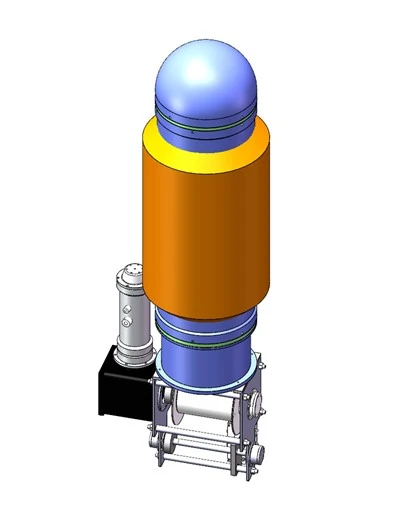
So if you’re a ship owner, a captain, a maintenance manager, or anyone in the marine industry, you know how important it is to have reliable gear. Our team works closely with clients to figure out exactly what valves they need—whether it’s ballast valves for a cargo ship, OWS valves for a tanker, engine cooling valves for a generator, or isolation valves for maintenance. We don’t just sell parts; we know the marine industry, we know the pain points, and we make sure you get the right gear, on time, every time. If you’re tired of valve issues costing you money, missing ports, or stressing you out, hit us up to chat about your needs. Let’s make sure your valves are working for you, not against you.
Casting Industry References
- International Maritime Organization (IMO). (2022). Guidelines for Marine Valves and Control Systems. London: IMO Publishing.
- American Bureau of Shipping (ABS). (2021). Rules for the Construction and Classification of Steel Vessels, Chapter 14: Piping and Valves. Houston: ABS.
- Marine Equipment Council (MEC). (2023). Annual Report on Marine Valve Failures and Operational Impacts. Washington, D.C.: MEC.
Shandong Huate Tuojiang Intelligent Equipment Co., Ltd.
As one of the leading manufacturers and suppliers of marine equipment in China, we’re featured by quality products and good price. Please rest assured to buy advanced marine equipment for sale here from our factory. Welcome to view our website for more information.
Address: Sino-German Cooperation Industrial Park, Licheng District, Jinan City, Shandong Province
E-mail: sdhttj01@163.com
WebSite: https://www.httjznzb.com/
